Oct 3, 2026 | Moisture Monitoring System
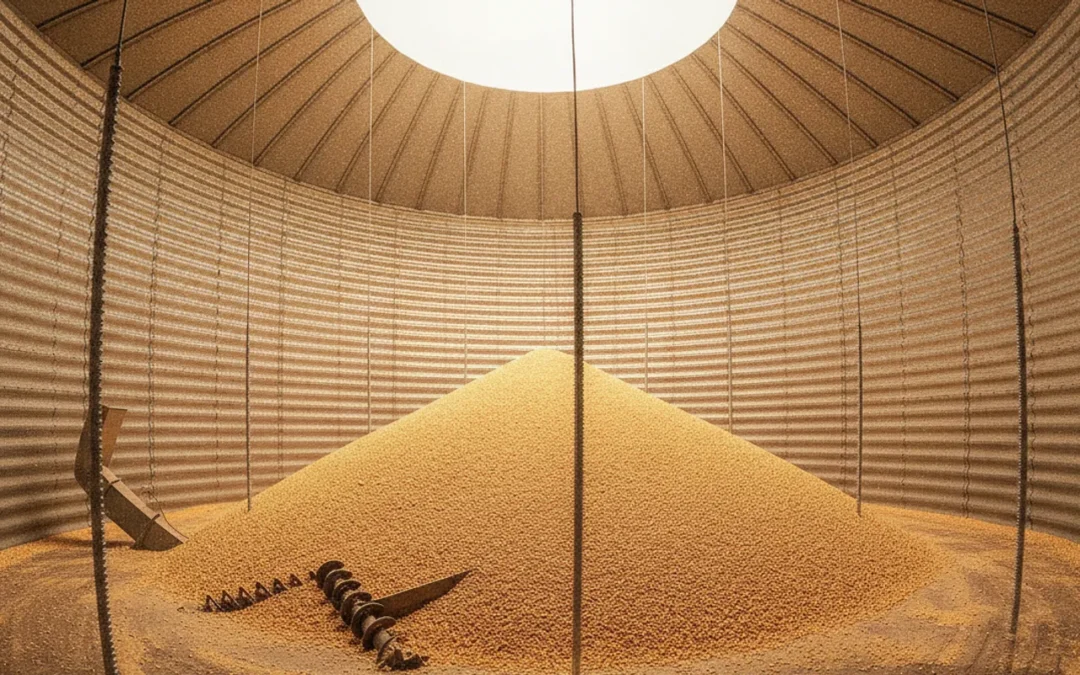
Knowing where to place grain bin temperature sensors matters because a reading from one spot cannot describe every part of a bin. Position sensors to sample different areas of the grain mass, including its center and outer zones, then use consistent readings over time...
Oct 1, 2026 | Moisture Monitoring System
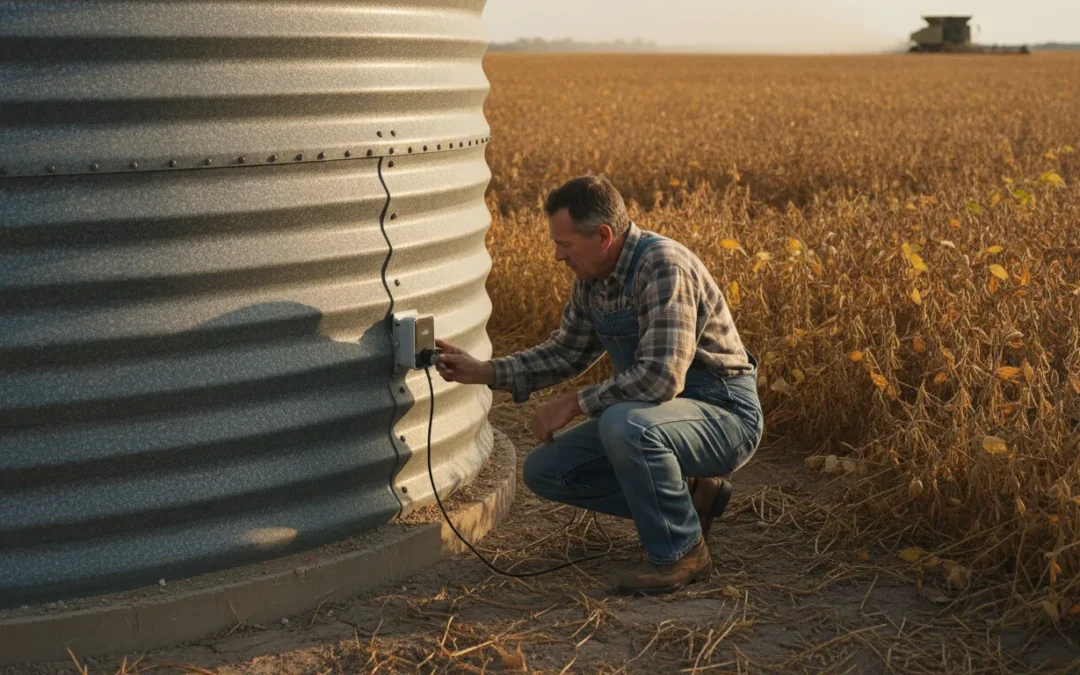
.Stored soybeans can look fine at the surface while heat, moisture migration, or spoilage develops deeper in the bin. A practical monitoring setup gives you a trend to watch before a small storage problem becomes a quality or drying decision.Talk with Farm Shop MFG...
Sep 30, 2026 | Moisture Monitoring System
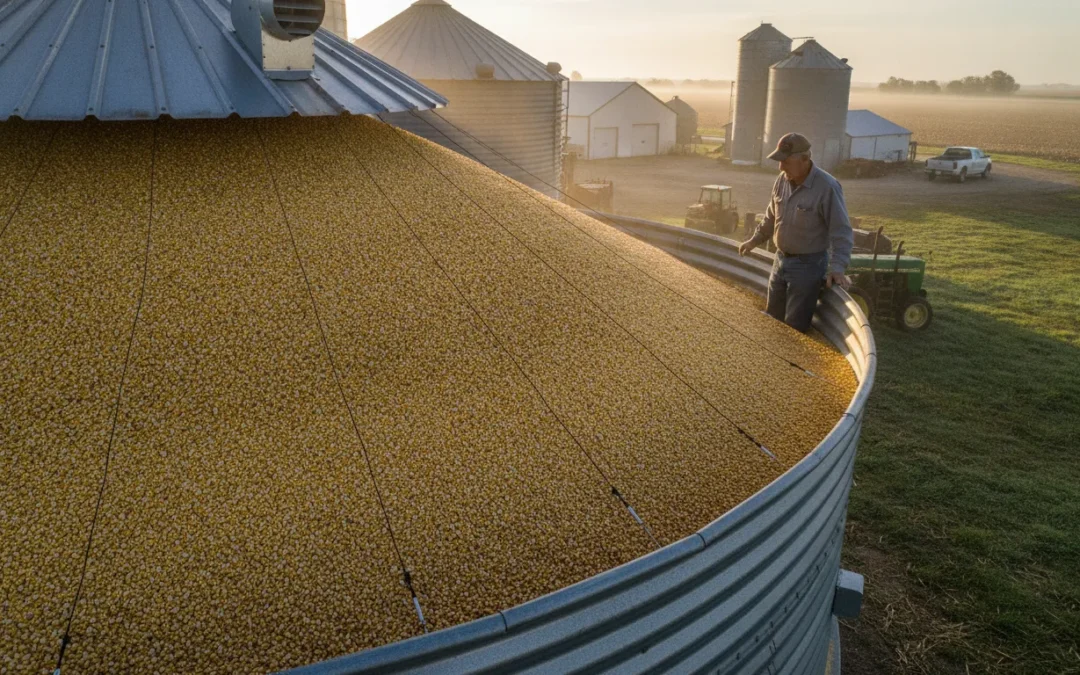
Stored corn does not fail all at once. A small temperature change, a developing hot spot, or a missed moisture problem can turn into quality loss before the grain looks different from the outside. The right monitoring setup gives you earlier information and a clearer...
Sep 29, 2026 | Moisture Monitoring System
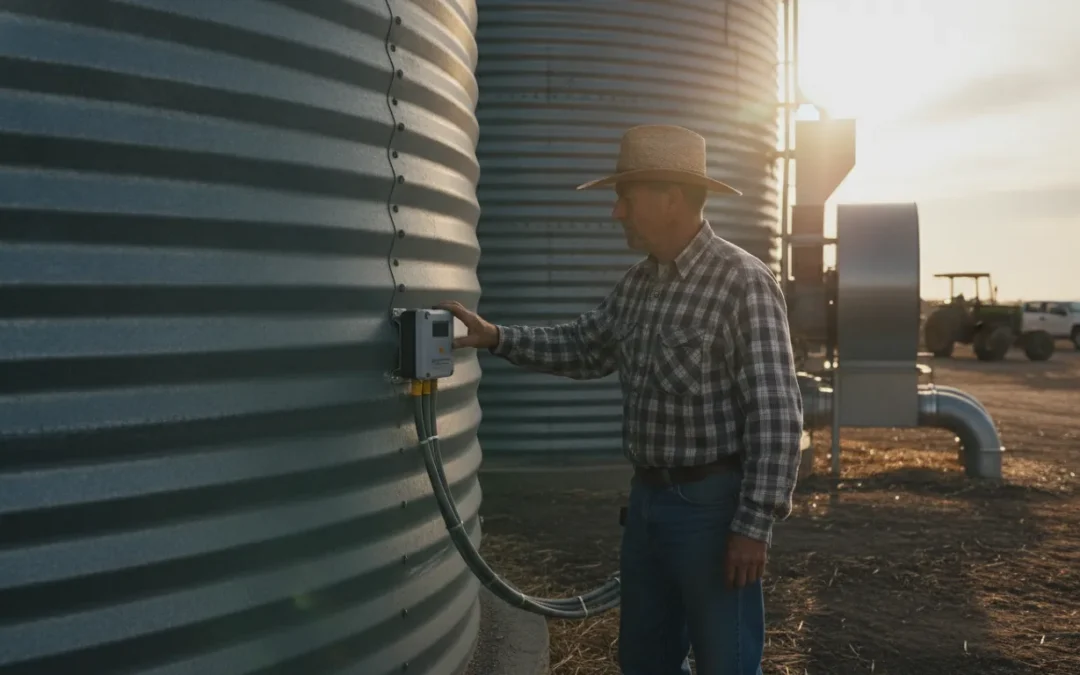
Stored grain can lose quality before a problem is obvious from outside the bin. The right monitoring setup gives you earlier visibility into temperature and humidity changes. That helps you decide when a closer inspection or corrective action is warranted. You do not...
Sep 28, 2026 | Moisture Monitoring System
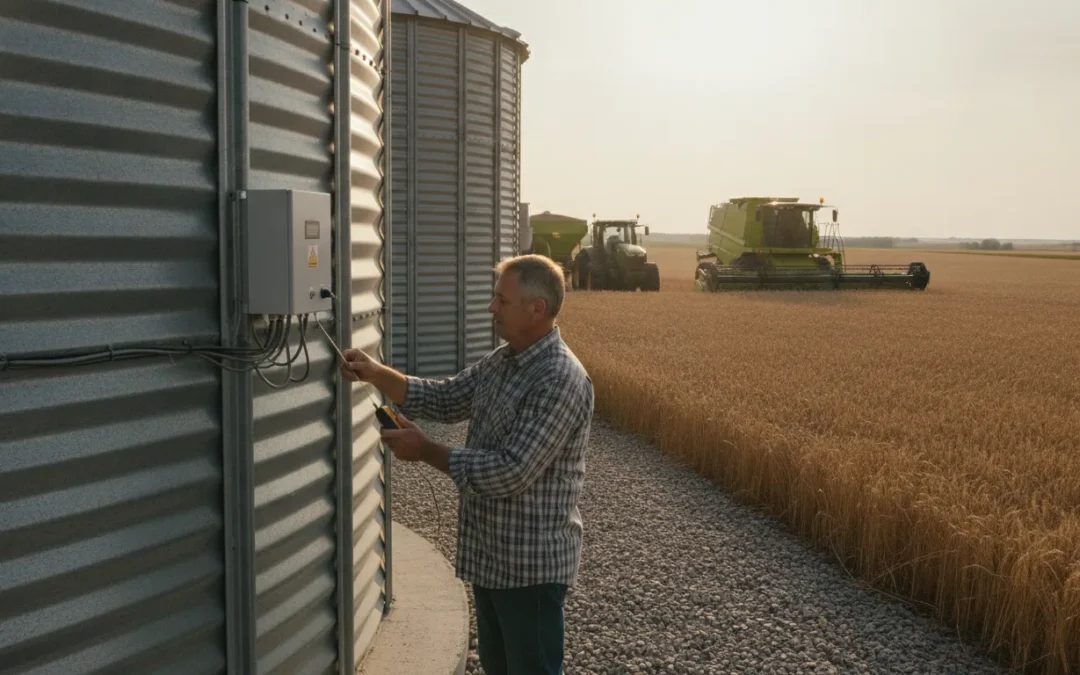
The right grain temperature setup depends less on the label on the equipment and more on how you manage the bin. A large bin where you need to follow aeration progress calls for a different view than a smaller bin where you want readings from specific locations and an...

Sep 25, 2026 | Moisture Monitoring System
Grain storage costs are not limited to the price on a monitoring kit. Your real investment can include probes, cables, installation, connectivity, subscriptions, and any fan-control equipment you add later. The right comparison is the total cost of ownership against...

Sep 22, 2026 | Moisture Monitoring System
Remote temperature monitoring for grain bins lets you review temperature readings by probe location while you are away from the bin. A useful system shows current readings, user-set high and low thresholds, applicable humidity data, trends over time, and clear visual...
Sep 21, 2026 | Moisture Monitoring System
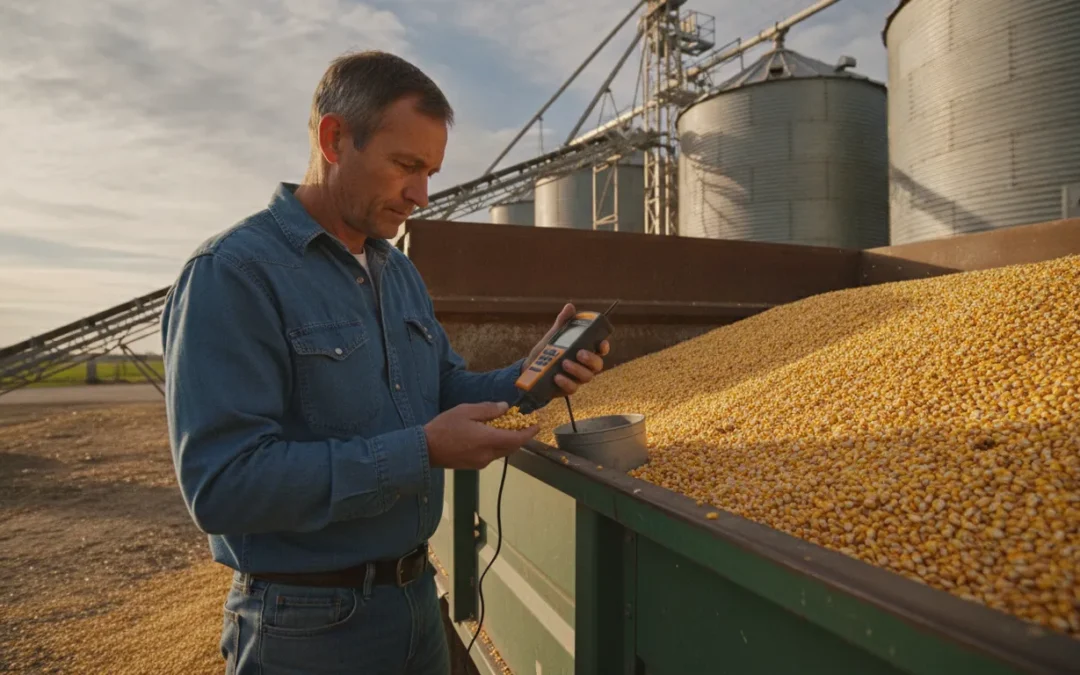
A moisture reading can change when you harvest, how hard you dry, what you market, and whether stored grain stays in condition. A number from a meter is only useful when the sample represents the load and the tester is calibrated for the crop and moisture range.The...
Sep 16, 2026 | Moisture Monitoring System
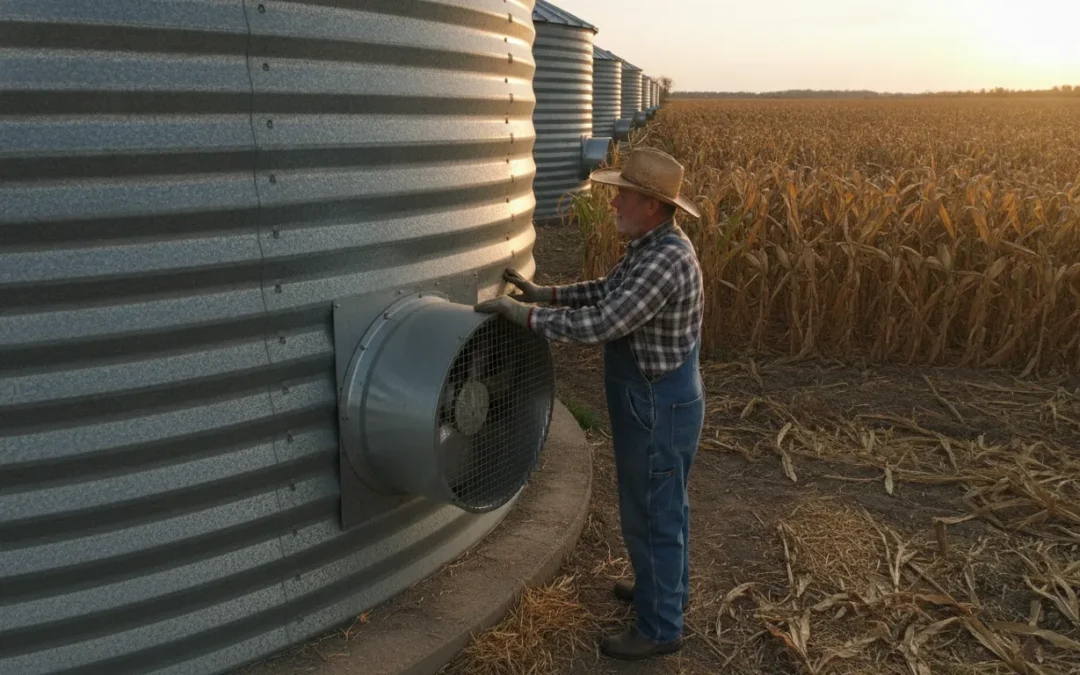
Turning on a bin fan is easy. Knowing when the available air will actually cool grain, move it toward the right moisture condition, and justify the energy use takes more judgment. A controller should help you make that decision consistently, not simply run a fan on a...
Sep 14, 2026 | Moisture Monitoring System
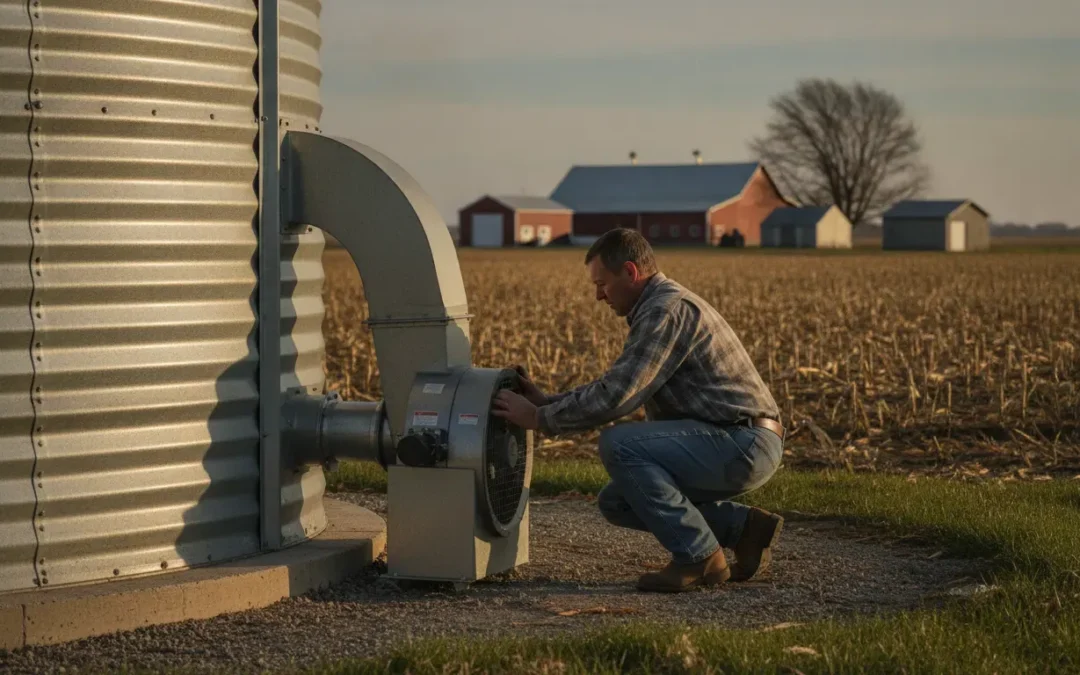
Grain aeration fan sizing starts with one number: the airflow your stored grain needs, measured in cubic feet per minute per bushel (CFM/bu). The right answer depends on whether you are cooling stored grain, drying it with natural air, or moving air quickly through a...

Sep 14, 2026 | Moisture Monitoring System
Grain fans do more than move air. The timing of each cycle affects cooling, moisture uniformity, energy use, and the amount of attention your bins demand during the busiest weeks of the year. Manual control can be a practical fit when an operator can check conditions,...

Sep 11, 2026 | Moisture Monitoring System
Every moisture point removed past the sale or storage target takes more than water out of the bin. It can reduce saleable weight and add energy, labor, and equipment cost to the drying bill. University of Minnesota guidance defines overdrying as removing moisture...