Aug 24, 2026 | Moisture Monitoring System
A bin can look fine outside while a warm pocket quietly damages grain quality. This grain storage temperature chart safe ranges guide gives farmers practical starting points for corn, soybeans, wheat, and barley, then connects each number to moisture, airflow, season,...
Aug 21, 2026 | Moisture Monitoring System
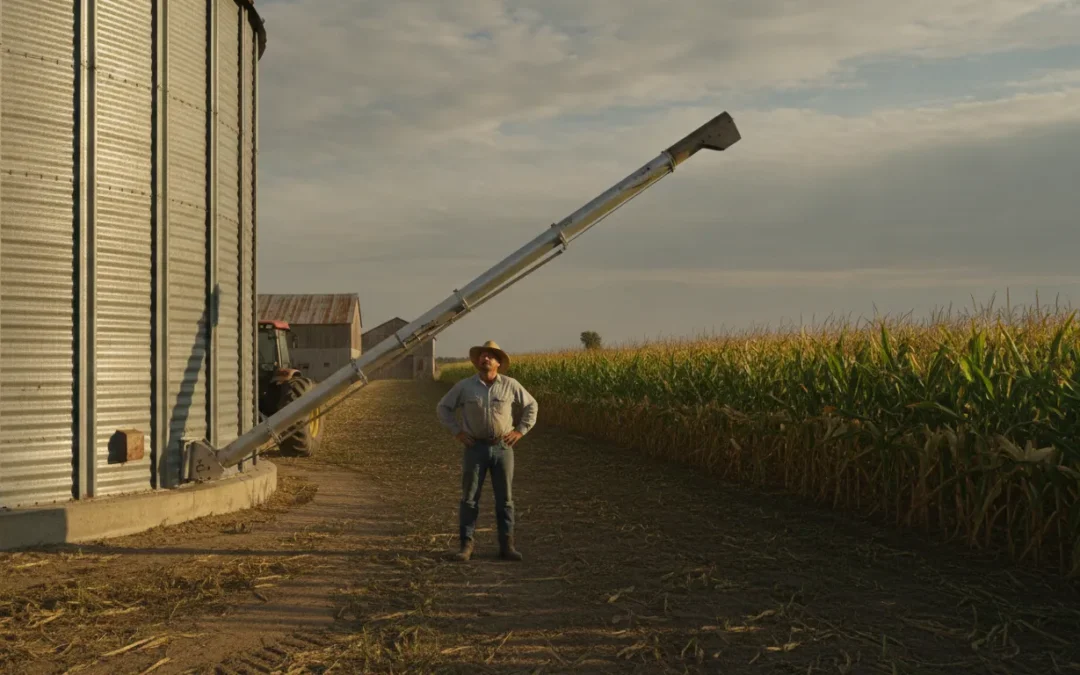
If you are asking how often check grain temperature storage, check cool, stable grain at least every two weeks during spring and summer. Move to weekly checks when grain is warm, moisture is uncertain, weather is changing, or a reading is rising. Check again after...

Aug 20, 2026 | Moisture Monitoring System
Wheat can look dry and stable on the surface while heat and moisture build deeper in the grain mass. Grain bin temperature monitoring wheat storage gives farmers a way to find uneven warming early. Decide when aeration is justified, and protect crop quality before a...

Aug 19, 2026 | Moisture Monitoring System
A hot spot in a grain bin rarely announces itself before quality is lost. Moisture migration, warming grain, mold, and mycotoxins can turn a manageable storage issue into a costly claim, discount, or unsellable load. Iowa State University Extension warns that storage...
Aug 18, 2026 | Moisture Monitoring System
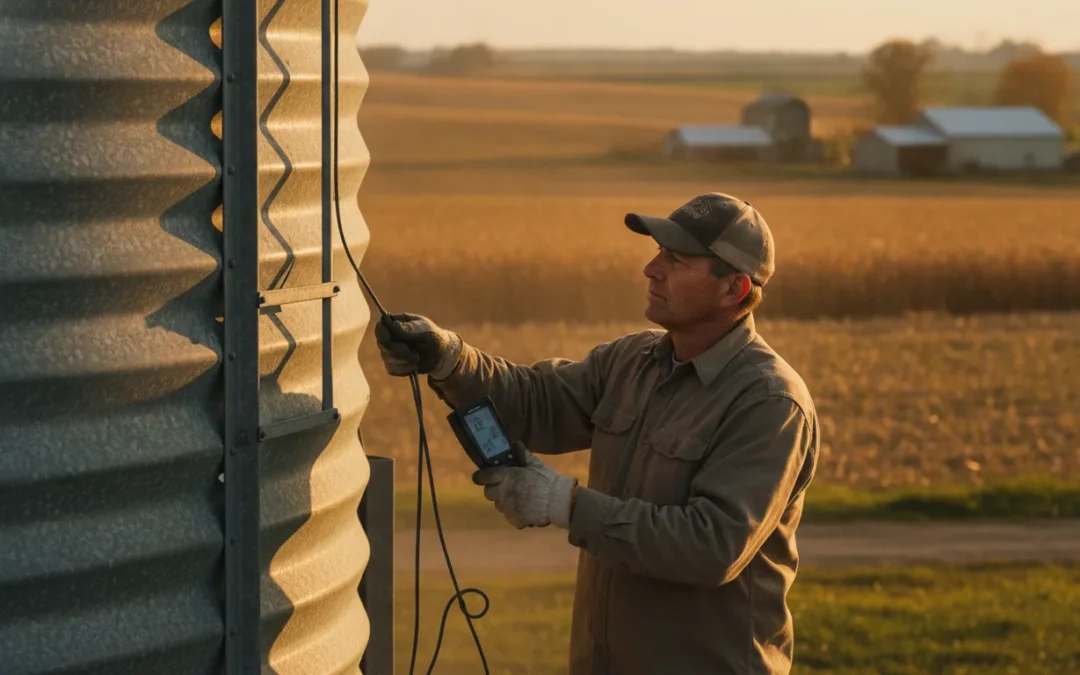
Grain temperature is not a set-it-and-forget-it detail. Temperature differences can move moisture toward colder areas, creating hot spots, crusting, and preventable storage losses. Keeping grain cool and uniform also extends allowable storage time. With storage time...
Aug 17, 2026 | Moisture Monitoring System
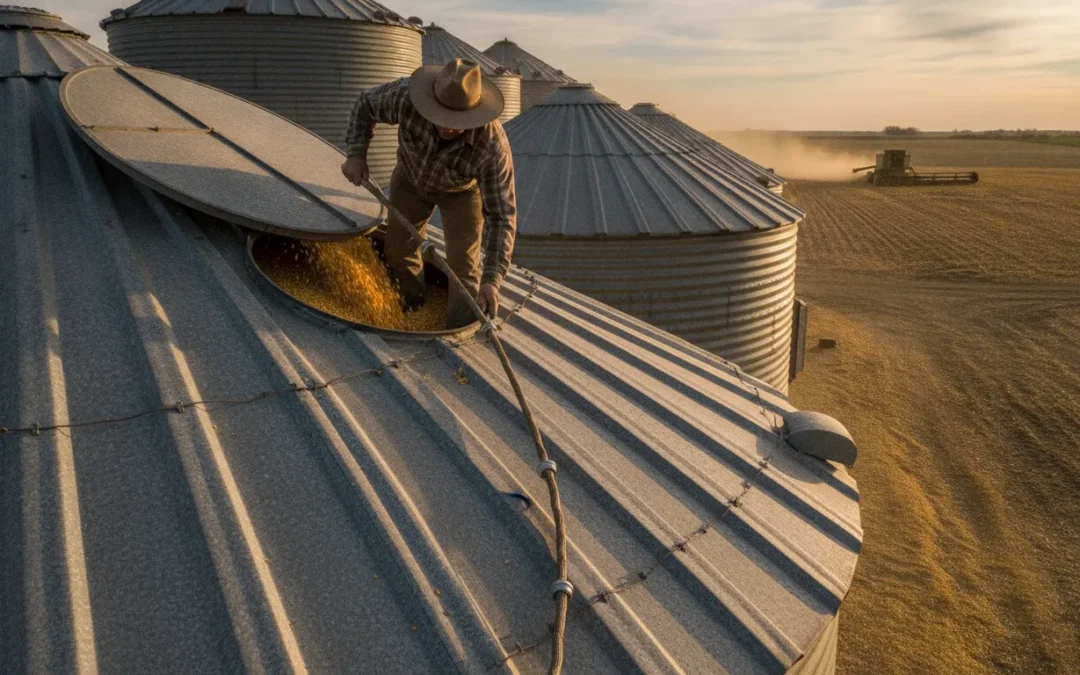
A grain bin can look quiet and sound normal while a hot spot develops below the surface. Moisture migration, insects, and fungal activity can raise temperatures before spoilage becomes obvious, putting both grain quality and drying dollars at risk. How does grain bin...