Sep 8, 2026 | Moisture Monitoring System
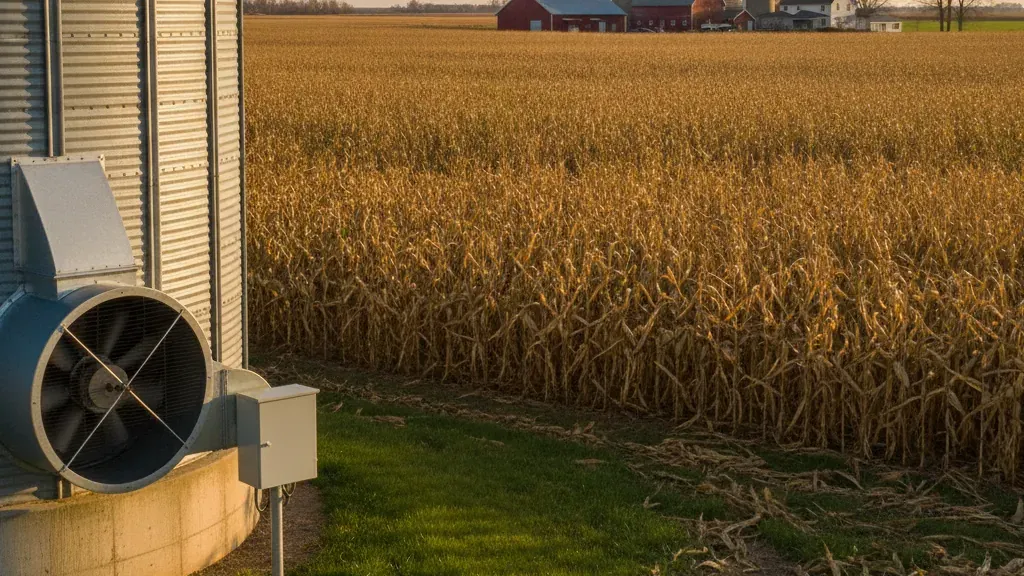
Automated grain bin fan control uses temperature, humidity, and user-defined set points to decide when a bin fan should run. Instead of relying only on a clock, a weather guess, or a trip to the bin, the system applies the same operating rules each time conditions...

Sep 7, 2026 | Moisture Monitoring System
To learn how to prevent grain spoilage on farm storage, start with the two conditions that drive deterioration: grain moisture and grain temperature. Keep both within a safe range, move air when conditions help, and find hot spots before mold or insects spread. Farm...

Sep 1, 2026 | Moisture Monitoring System
A grain bin can look fine from the outside while a hot spot, rising humidity, or uneven moisture starts costing you quality inside. The challenge is not simply turning on a fan. It is knowing when conditions call for aeration, then confirming that the grain is moving...
Aug 31, 2026 | Moisture Monitoring System
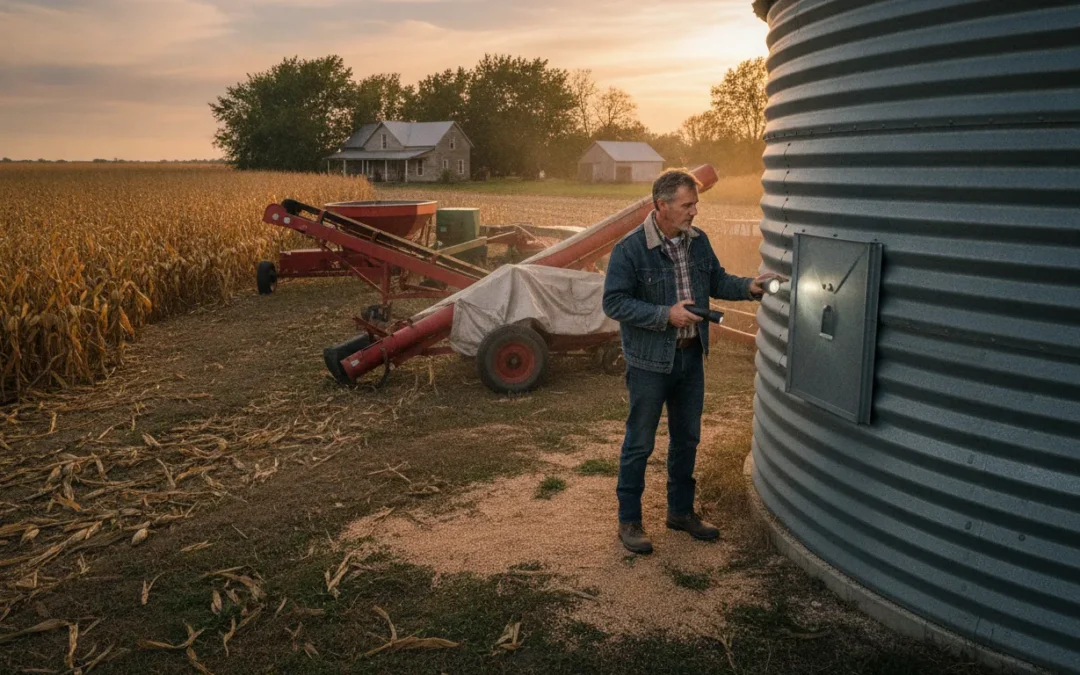
A small grain bin can hold a meaningful share of your harvest value. That makes the question “grain bin monitoring small farm worth it” more practical than theoretical. Temperature and moisture changes can develop while the surface still looks normal. Farm...
Aug 28, 2026 | Moisture Monitoring System
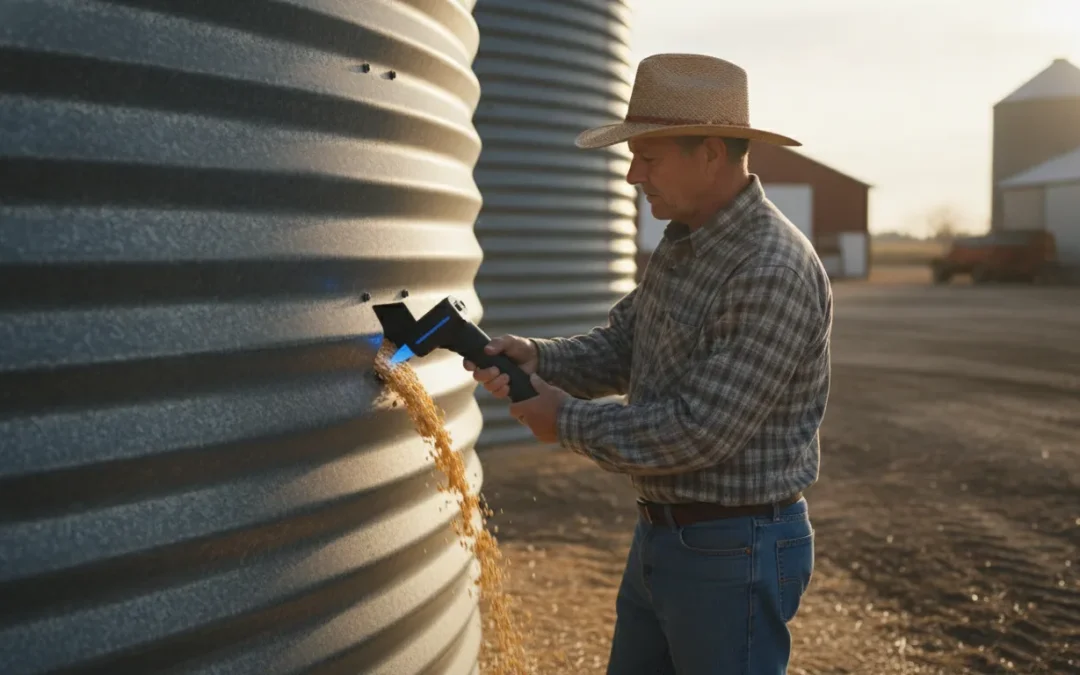
A grain bin can lose value long before a problem is obvious from the outside. A small area with rising temperature can pull moisture toward it, restrict airflow. And create conditions where fines, mold, and heat damage build faster than a routine inspection catches...
Aug 27, 2026 | Moisture Monitoring System
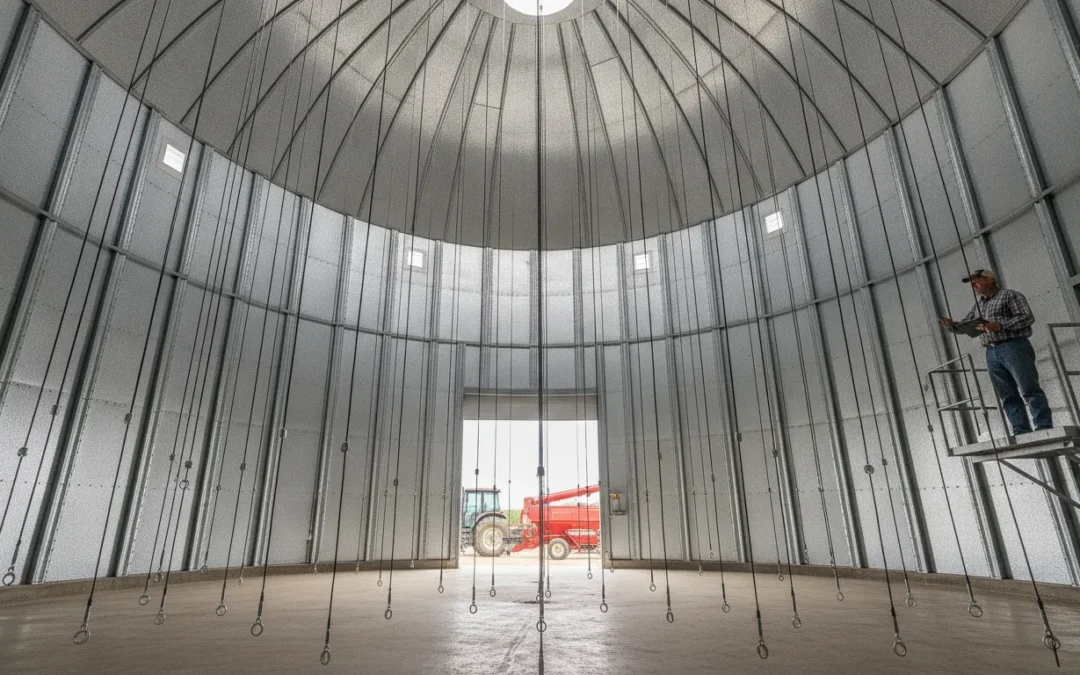
Grain storage problems rarely start where you can see them. Temperature differences inside a bin can move moisture toward the top and center of the grain mass, creating conditions for mold, insects, and spoilage. A monitoring system gives you an early signal so you...