Oct 16, 2026 | Planter Closing Wheels
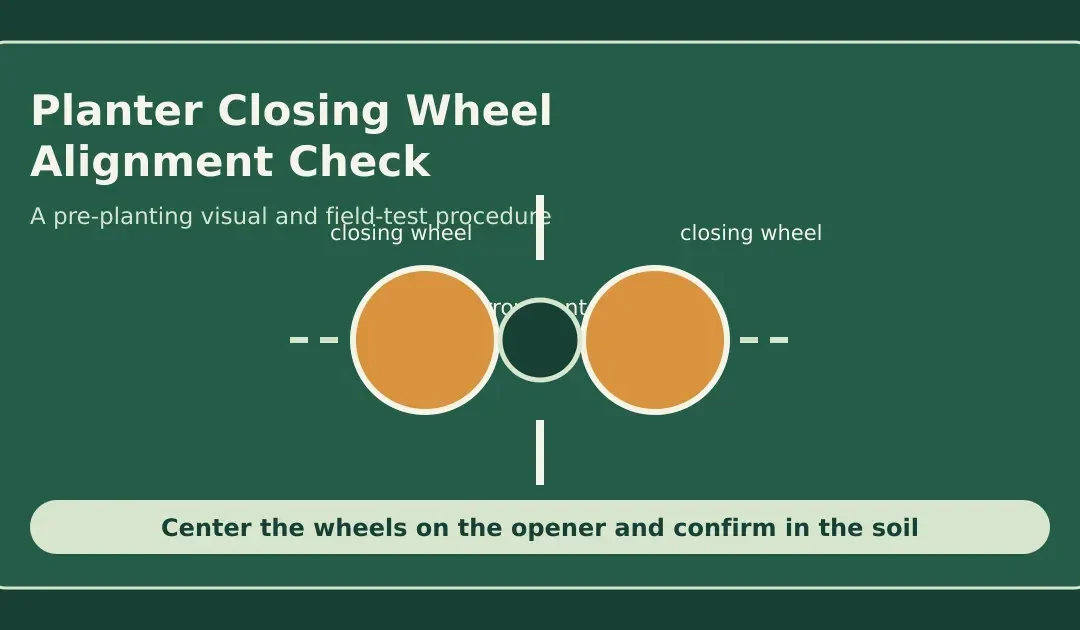
A planter can carry the right seed depth and population settings and still leave an uneven stand. The closing wheels have to sit on the seed furrow, not off to one side of it. A planter closing wheel alignment check finds a shifted tailpiece, a worn pivot, or a wheel...
Aug 13, 2026 | Planter Closing Wheels
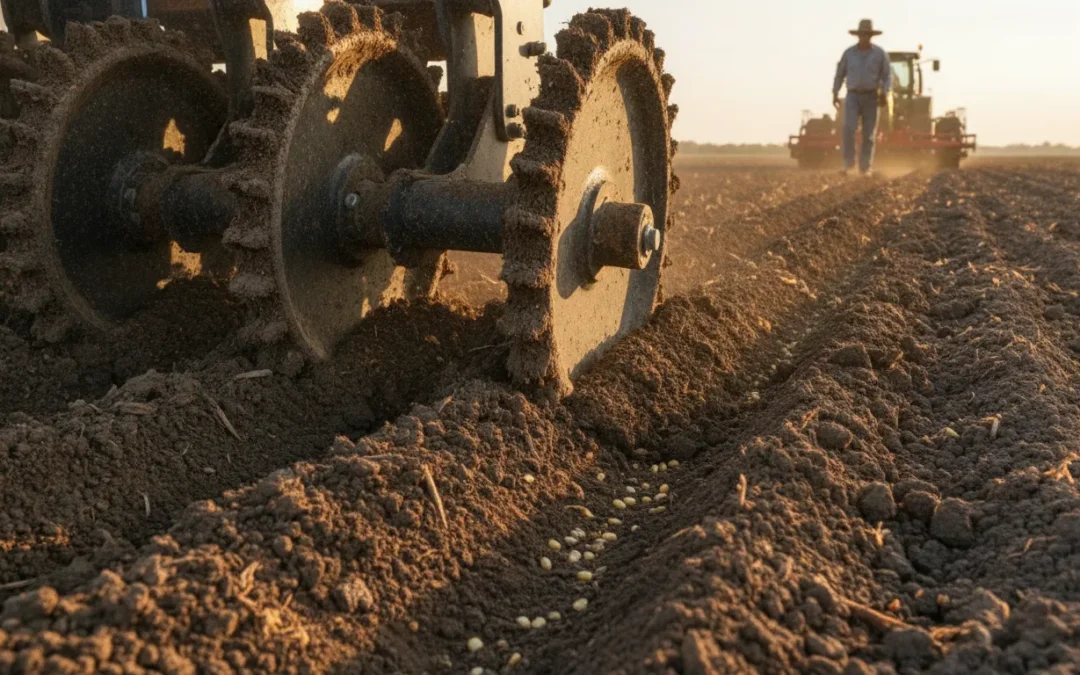
A planter closing wheel can look like a small hardware decision, but it affects seed-to-soil contact, sidewall compaction, stand establishment, and what you spend across every row. For a 24-row planter, the gap between a durable, fairly priced option and a...

Aug 12, 2026 | Planter Closing Wheels
When a closing wheel earns a place on a neighbor’s planter, the proof usually starts in the furrow, not in a sales brochure. Farmers want to know whether it closes the trench, protects seed-to-soil contact, and keeps performing across their own soils and...
Aug 11, 2026 | Planter Closing Wheels
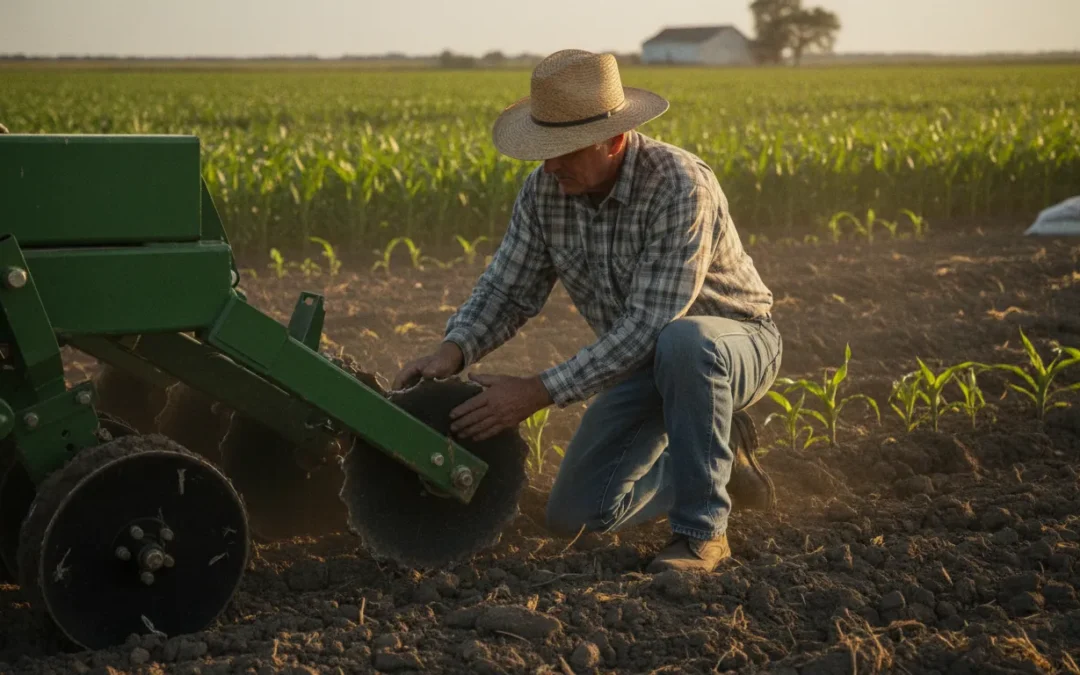
Planting into wet clay with worn rubber closing wheels causes severe sidewall compaction that stalls seed sprouting. When row-crop planters leave the seed trench partially open, seeds dry out and growth suffers across the entire field. Growers cannot afford uneven...
Aug 10, 2026 | Planter Closing Wheels
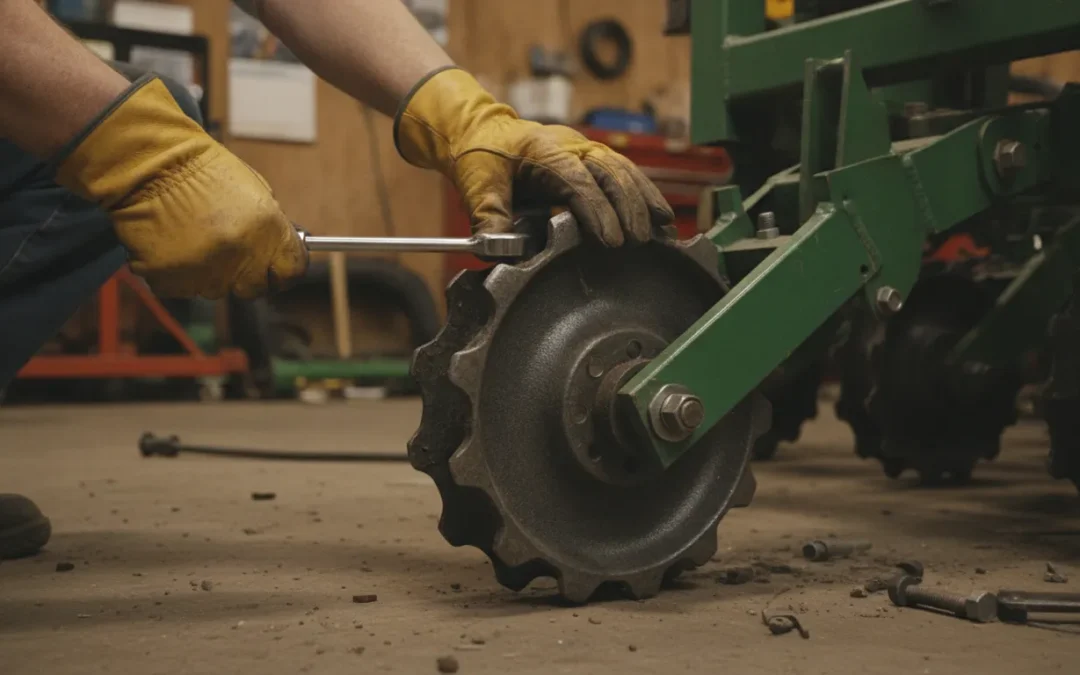
Sloppy closing wheels leave open seed trenches that dry out your crop before it can emerge. Taking the time to swap out weak plastic wheels for premium steel ones prevents this costly planting error.Learning how to install closing wheels planter upgrades, specifically...
Aug 7, 2026 | Planter Closing Wheels
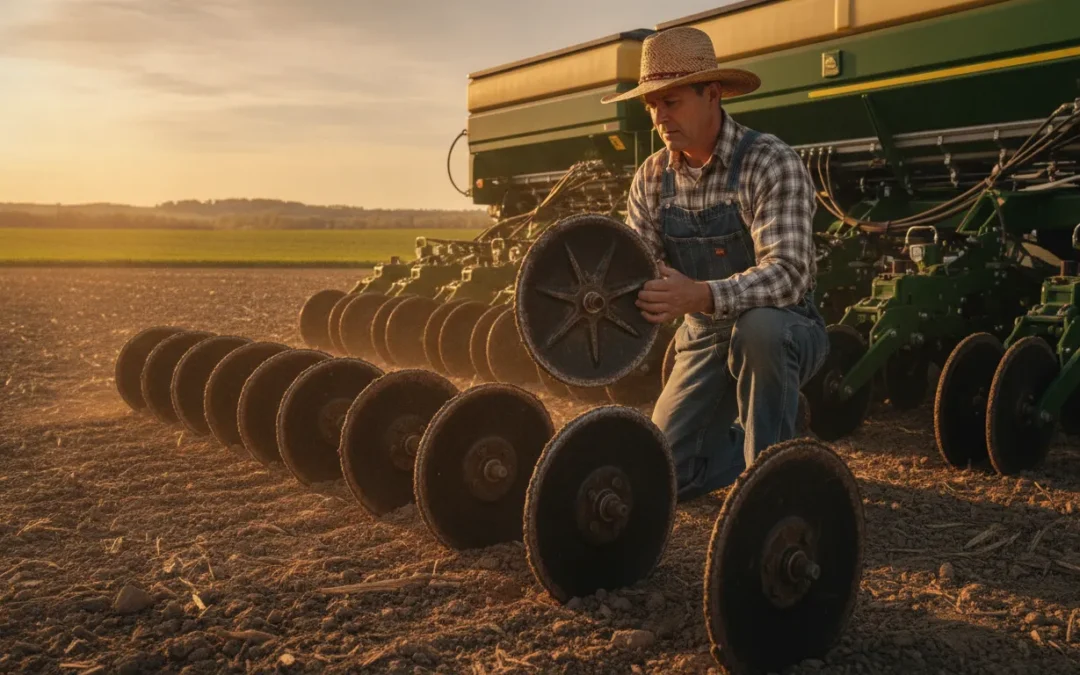
Closing wheels do more than finish the seed trench. They help crumble the furrow sidewall and protect seed-to-soil contact, so a worn wheel can create a planting problem before it looks completely failed. Abrasive soil can wear plastic wheels significantly in one...