Jun 9, 2026 | Closing Wheels
Every farmer has fields that perform inconsistently from season to season or from one part of the field to another. Some areas consistently produce below the field average. Others exceed expectations every year. This uneven field performance is not random. It follows...
Jun 8, 2026 | Closing Wheels
Farmers invest significant resources in fertilizer programs designed to support strong crop yields. Soil tests, application rates, and timing decisions all receive careful attention. What receives far less attention is how the physical conditions at planting determine...

Jun 7, 2026 | Closing Wheels
Competition in a crop field is relentless and immediate. Plants that emerge first claim resources that plants emerging later can never fully recover. Light, water, and nutrients are finite, and the plants that establish a size advantage in the first two weeks hold it...
Jun 6, 2026 | Closing Wheels
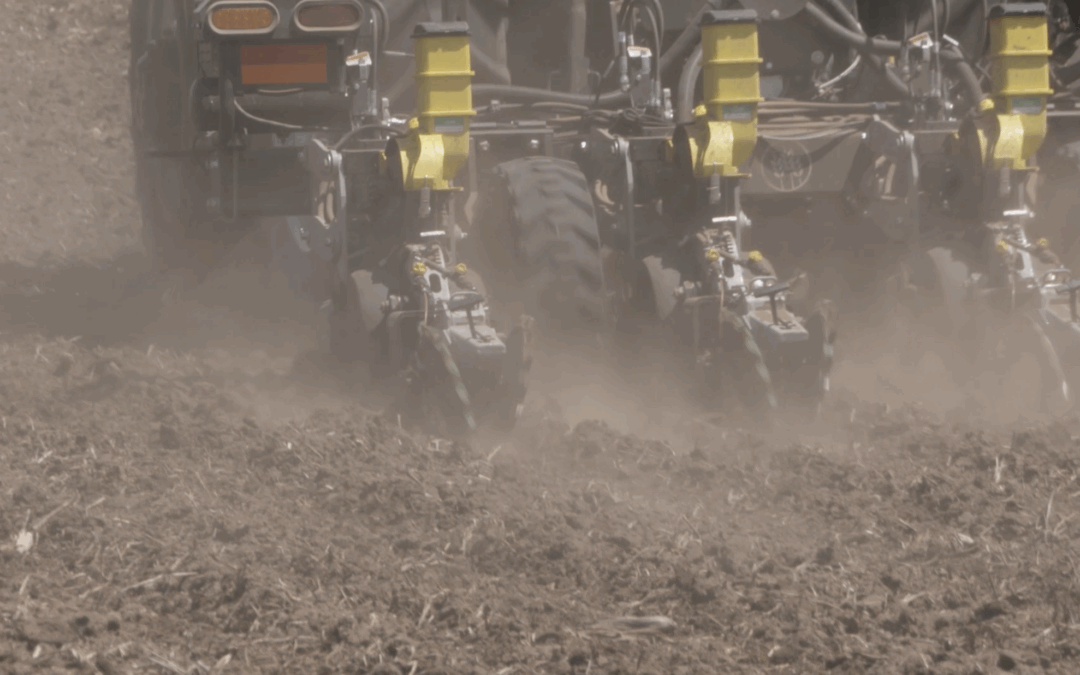
The root zone is where crops do their most important invisible work. Leaves and stalks get measured, counted, and photographed throughout the season. Roots go unobserved, developing in the dark below the surface, where their quality is revealed only indirectly through...
Jun 5, 2026 | Closing Wheels
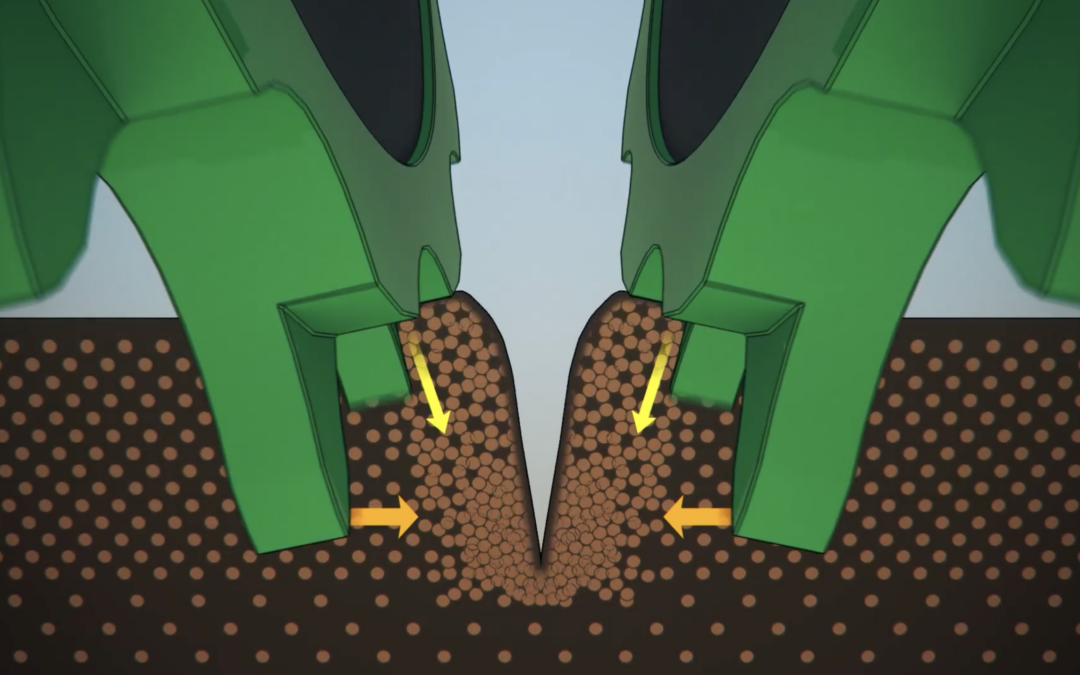
Pressure is one of the most important and least visible variables in the planting process. Every time the closing wheel passes over a seed, it applies force to the surrounding soil. That force shapes how firmly the trench closes, how much moisture stays near the seed,...

Jun 3, 2026 | Closing Wheels
The word seedbed gets used loosely in farming conversations to mean anything from a worked field to a planting-ready surface. In practical terms, a strong seedbed is a specific physical environment that gives seeds the best possible conditions for germination and...

Jun 1, 2026 | Closing Wheels
No two planting seasons feel the same. One year brings warm, settled weather that lets farmers work steadily through their acres with confidence. The next brings cold snaps, sudden rains, and stretches of wind that challenge every decision from the time the planter...
May 30, 2026 | Closing Wheels
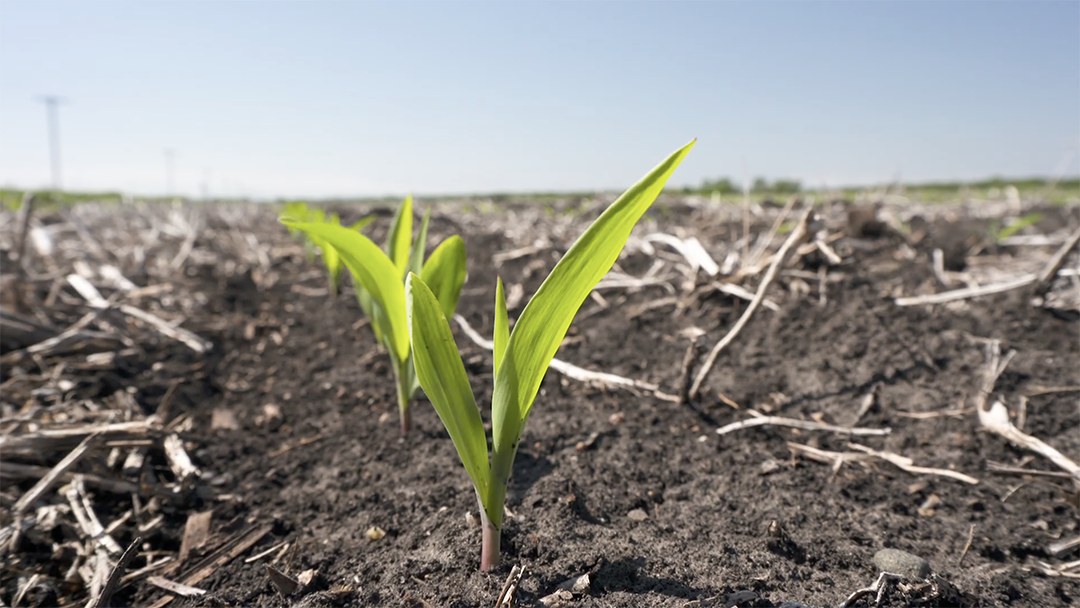
Seed companies invest heavily in developing varieties with higher yield potential, greater disease resistance, and improved stress tolerance. Farmers pay premium prices expecting that investment to pay back in the field. What many do not fully account for is how much...
May 28, 2026 | Closing Wheels
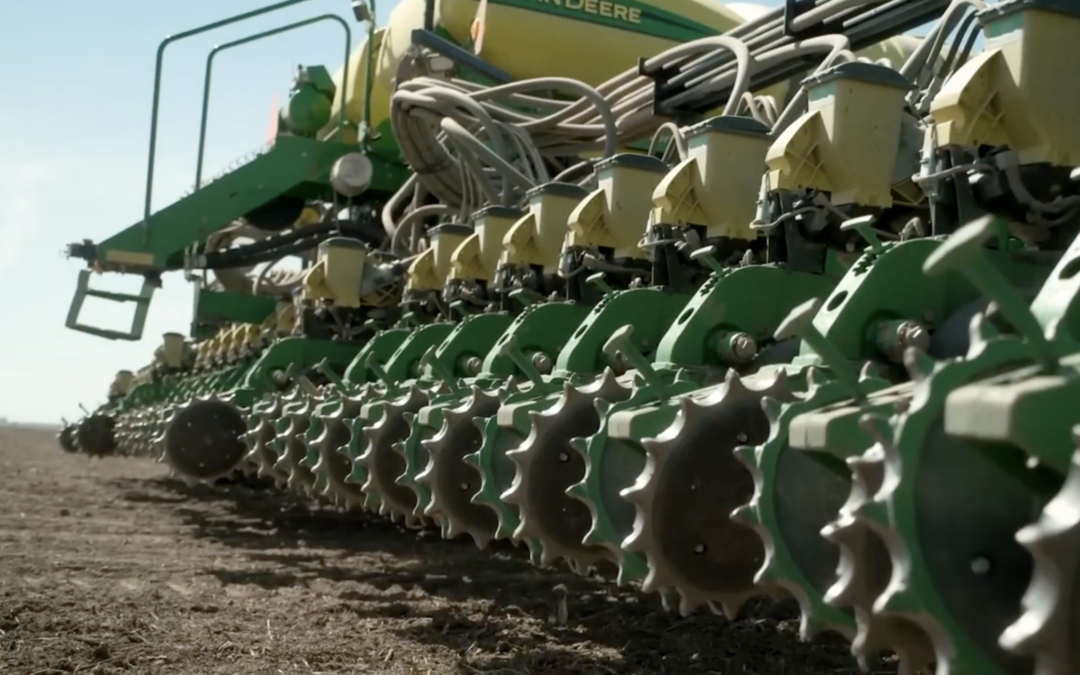
Farmers talk a great deal about moisture and temperature when planting comes around. Oxygen rarely enters the conversation, yet it plays an equally important role in what happens inside the seed zone after planting. Soil oxygen levels determine how quickly germination...
May 26, 2026 | Closing Wheels
The condition of the seed trench at planting is one of the most consequential variables in a crop’s entire development cycle. Seed trench quality shapes what the seed experiences in its first hours underground, how the root system establishes in its first weeks,...

May 26, 2026 | Closing Wheels
A generation ago, getting the planter across the field as fast as possible was a competitive advantage. More acres covered in a day meant more crop in the ground before the next rain or weather window closed. That mindset still exists in many operations. Modern data,...
May 25, 2026 | Closing Wheels
Walking a corn field ten days after planting and seeing rows with missing plants or wide gaps between seedlings is a frustrating experience for any farmer. Delayed corn emergence is one of the most common problems in spring planting, yet its causes are rarely obvious...