Aug 5, 2026 | Closing Wheels
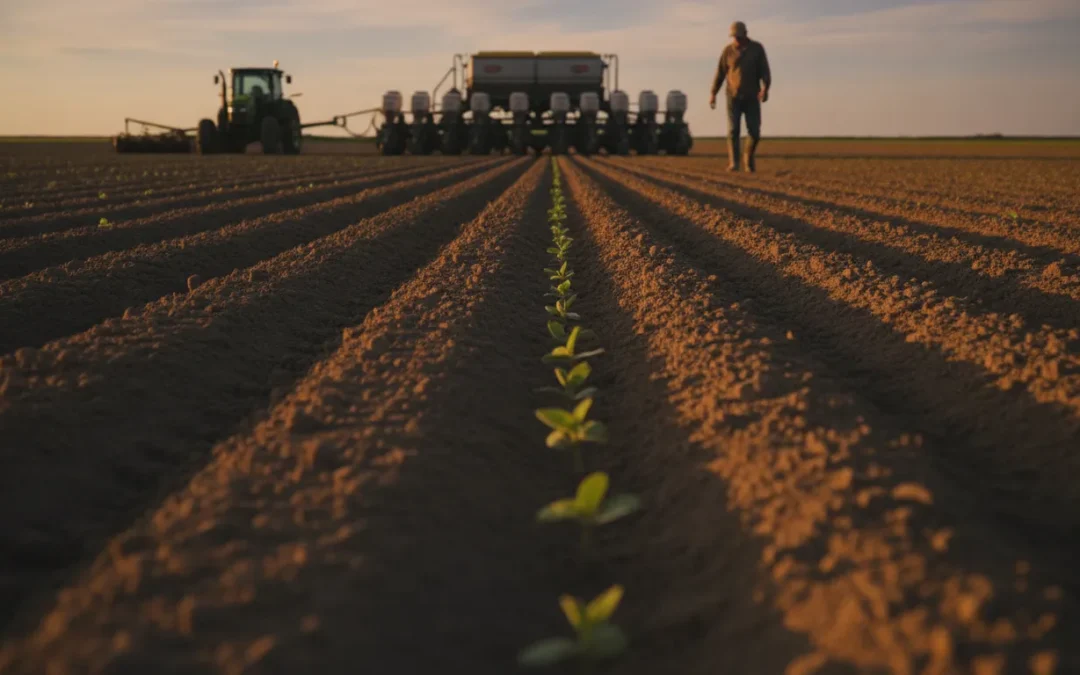
A soybean seed can be placed at the right depth and still fail to produce a strong stand if the closing wheels damage the seed or leave the trench poorly sealed. Mechanical stress, sidewall compaction, and weak seed-to-soil contact all show up later as uneven...
Aug 3, 2026 | Closing Wheels
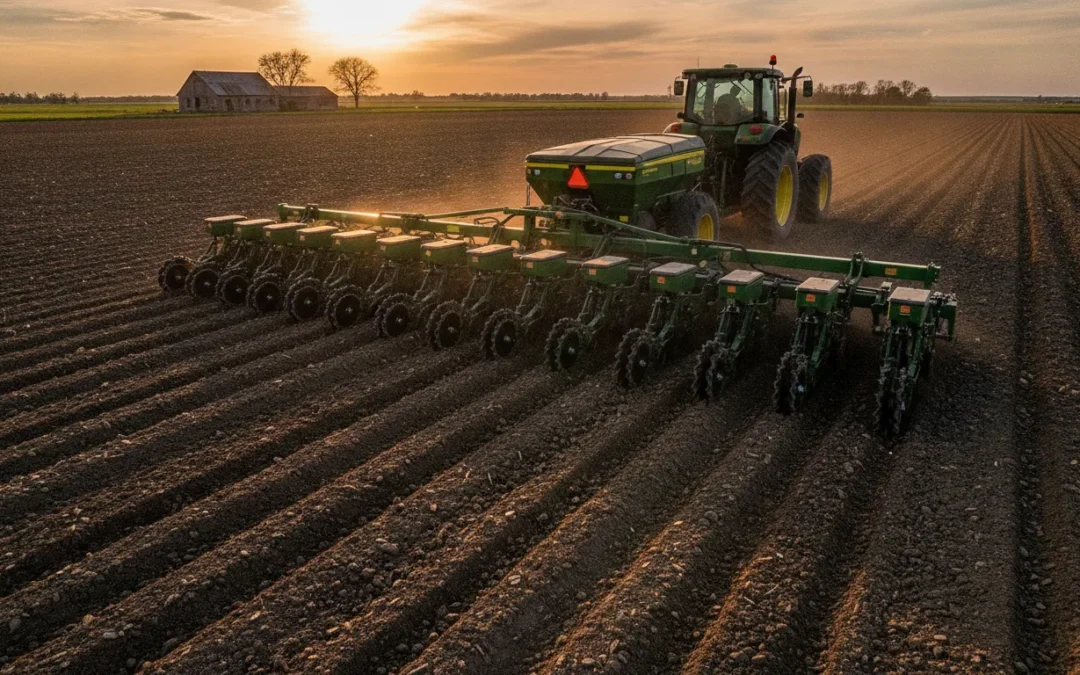
Uneven emergence often starts below the cab: a closing wheel that leaves sidewall compaction. Weak seed-to-soil contact, or an inconsistent furrow can cost stand quality before the crop is visible. That is why brand comparisons should begin with field data, not...
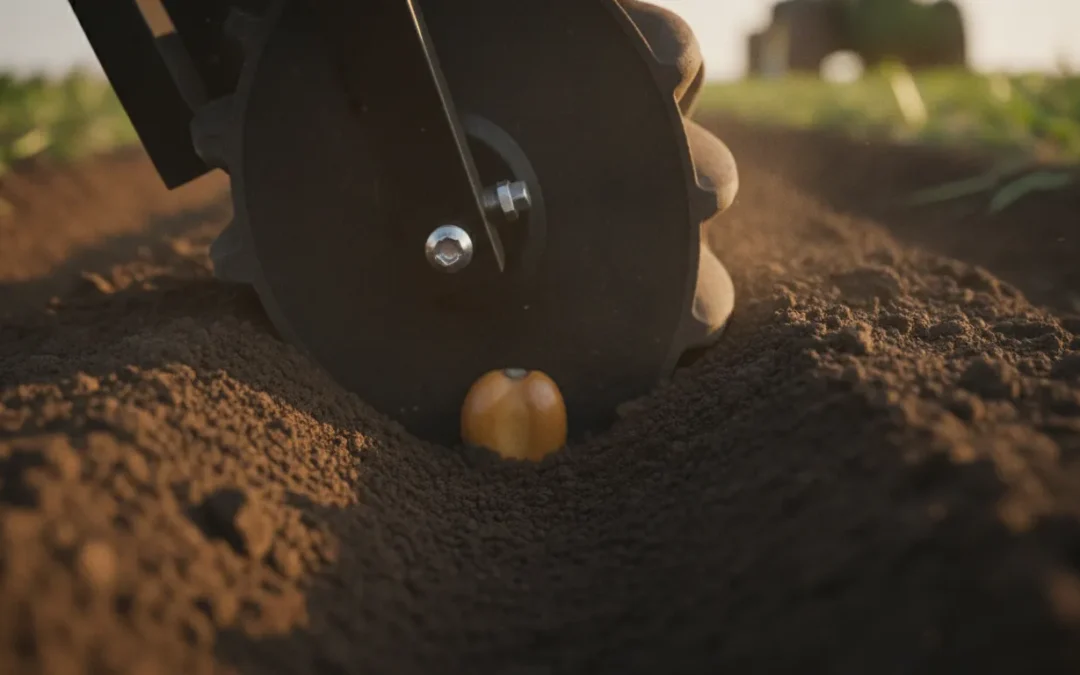
Aug 3, 2026 | Closing Wheels
A planter can place every seed at the right depth and still deliver an uneven stand if the furrow is not closed consistently. Air pockets, exposed seed, and compacted sidewalls interrupt the moisture bridge a seed needs to start germinating. The result is not just a...
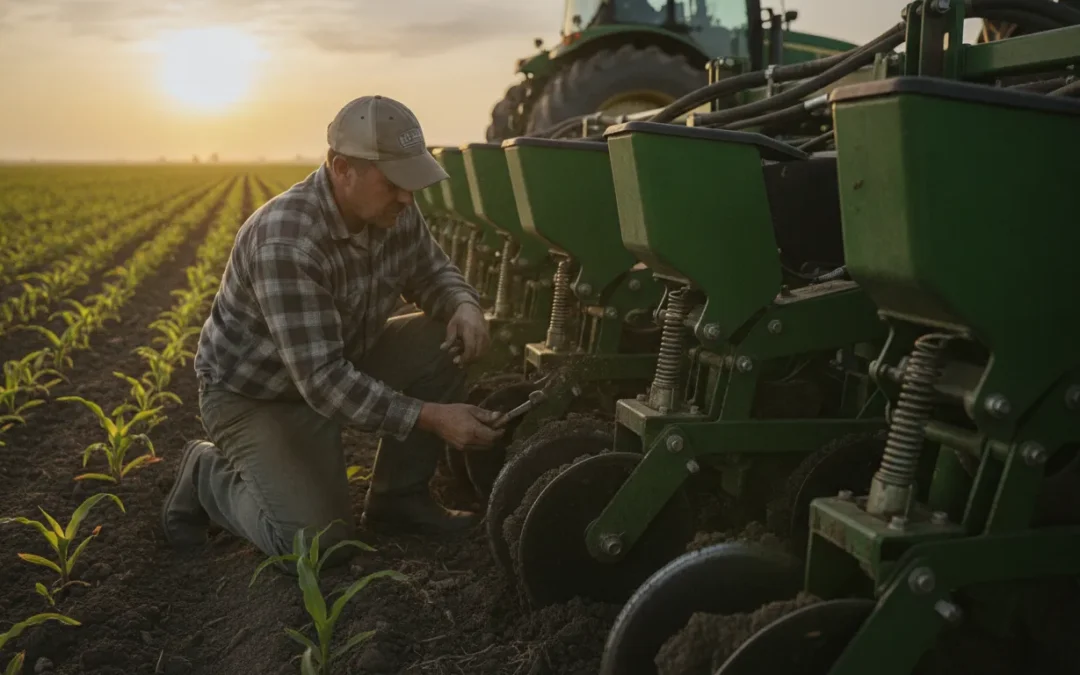
Jul 30, 2026 | Closing Wheels
Replacing planter closing wheels is not automatically a profitable upgrade. But the Germinator closing wheel payback depends on what you spend per row, how many acres you plant, and whether better furrow closure protects yield in your fields. For grain farmers, the...
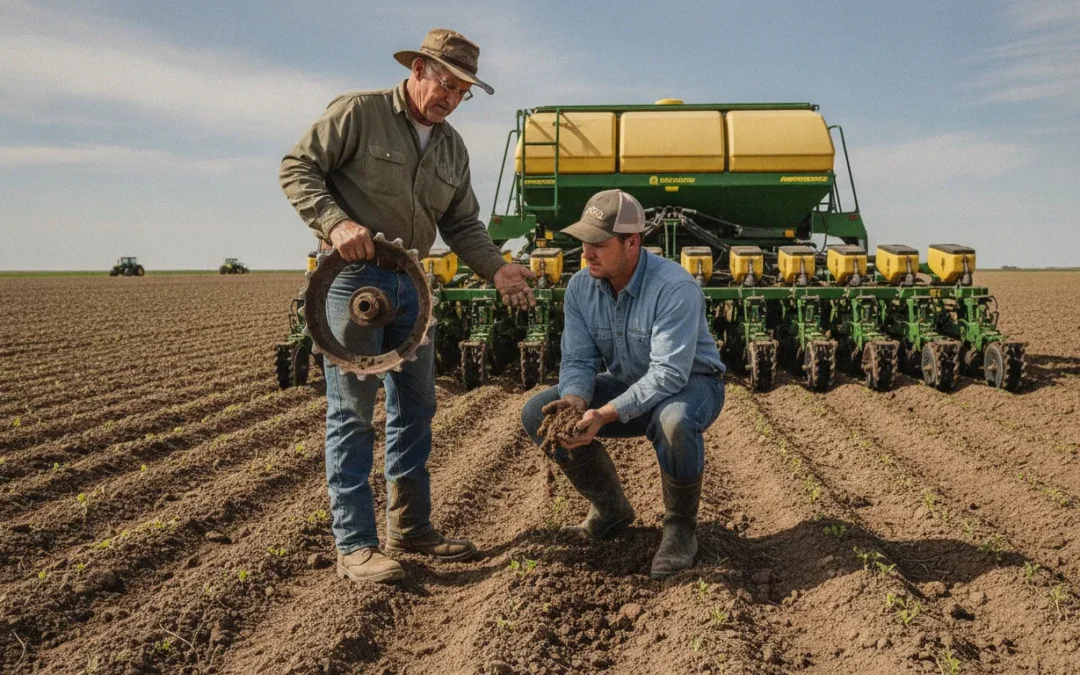
Jul 28, 2026 | Closing Wheels
Closing wheels have a straightforward job: close the seed trench, improve seed-to-soil contact, and avoid creating more compaction around the seed. The right system should also make sense on the balance sheet, especially when you are outfitting multiple planter...
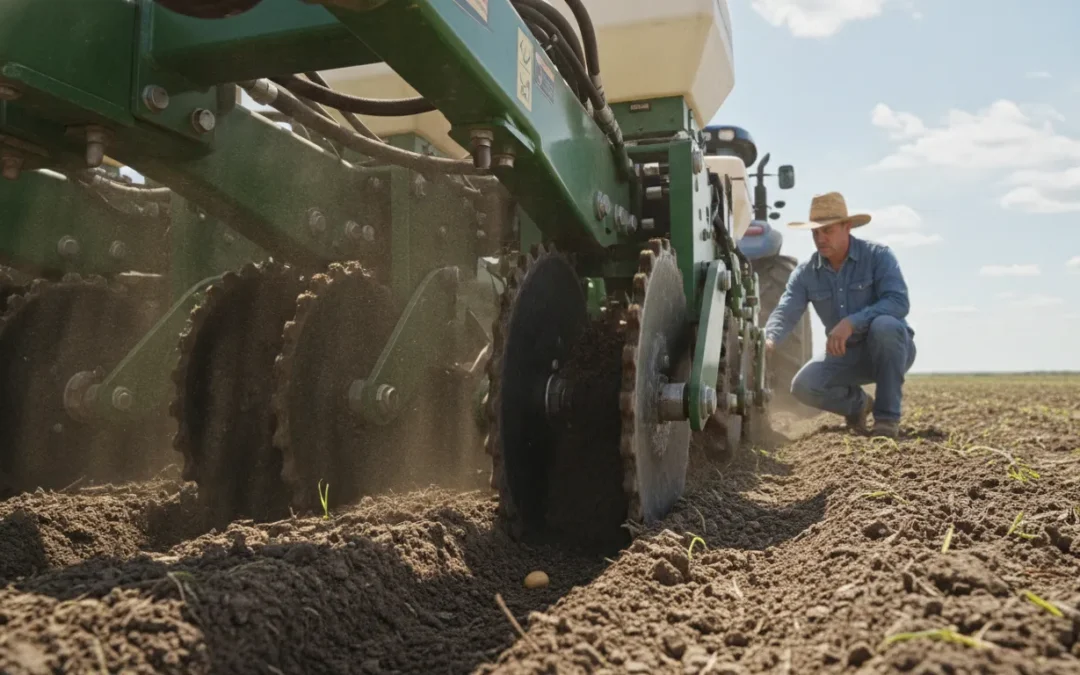
Jul 24, 2026 | Closing Wheels
A planter can place every seed at the right depth and still set up a weak stand if the opener smears the furrow wall in wet soil. That compacted wall can restrict root growth, reduce seed-to-soil contact, and turn a planting pass into a yield problem that is difficult...