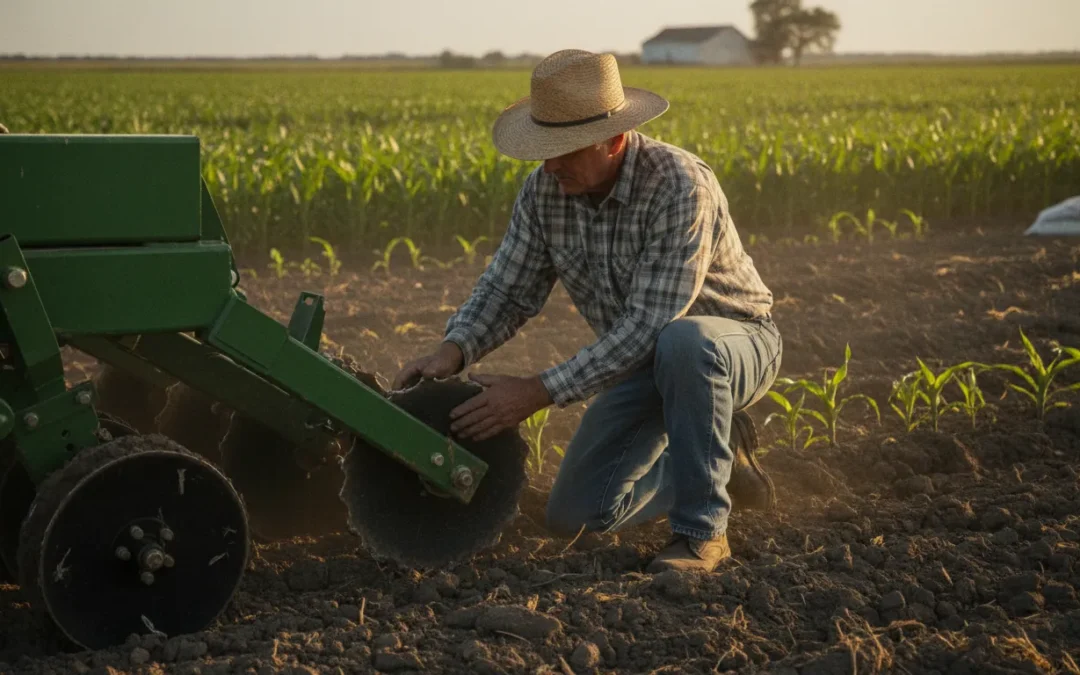
Planting into wet clay with worn rubber closing wheels causes severe sidewall compaction that stalls seed sprouting. When row-crop planters leave the seed trench partially open, seeds dry out and growth suffers across the entire field. Growers cannot afford uneven crop stands when striving for high corn and soybean yields.
Closing wheels Case IH Kinze planter compatibility is simple when growers use specific mounting brackets and conversion kits instead of standard OEM rubber press wheels. While academic research from UVM Extension confirms that planter row units vary by model, premium aftermarket options fit nearly any field setup. Installing the Germinator closing wheel system on Case IH or Kinze row units stops sidewall compaction to secure vital seed-to-soil contact. These durable 50-grade steel spiked wheels crumble the trench wall to seal the seed bed in all soil types and tillage conditions. This simple upgrade helps growers achieve fast, highly even crop emergence and protects their seed investment in wet or dry planting conditions.
Many growers ask how these durable steel wheels fit their specific planter setups before upgrading their planters. To find out if this system fits your planter, we must address the question: Does the Germinator Fit Case IH Planters? The path begins with
Contact the Farm Shop to confirm the right Germinator kit for your Case IH or Kinze planter
Does the Germinator Fit Case IH Planters?
Factory row unit compatibility
Many growers ask if they can upgrade their Case IH planters without buying new tail sections. The short answer is yes. You can bolt these steel wheels straight to your factory row units using custom conversion kits. This means you do not have to throw away your existing tail frame.
This setup lets you replace old rubber wheels without the cost of a full aftermarket tail change. The custom brackets and hardware keep the wheels in line for a clean fit. This makes the shop work fast and simple. You can upgrade a whole 16-row planter in just a few hours with basic tools.
Eliminating sidewall compaction
Standard Case IH planters often use rubber closing wheels. In wet or heavy soils, these rubber wheels can pack the dirt too hard. This pressure creates dense sidewall compaction in the seed trench. When that trench dries, it turns as hard as brick, which traps the seed below.
Spiked steel wheels solve this issue by working the soil from the bottom up. An academic study on closing wheels shows that spiked wheels pinch the bottom of the trench. They keep the soil above the seed loose while crumbling the sidewalls. This allows warmth and moisture to reach the seed freely.
Improving seed-to-soil contact
When you break up that hard soil, you get much better seed-to-soil contact. This contact is needed for quick, even crop emergence. It also helps the seed draw moisture from the seedbed. When every seed gets the same start, your crop emerges in a tight, clean window.
You can replace your worn OEM parts with the Germinator closing wheel system to fix this issue. The high-grade steel teeth fracture the seed trench. This helps the seed get the moisture it needs to sprout. You will see more consistent stands and better yield potential from day one.
Does the Germinator Fit Kinze Planters?
Many grain growers who run Kinze planters worry about aftermarket fit. They ask if a steel wheel can match their row units without major changes. The answer is yes. You can easily adapt the Germinator steel wheel to your Kinze setup.
Overcoming the Kinze Fit Challenge
Standard rubber wheels can struggle to close the seed trench in wet or heavy clay soils. Many growers want to upgrade to steel but worry about mounting issues. Farm Shop MFG solves this problem directly. The Germinator fits a wide range of Kinze row units. This is easy to do with custom conversion kits.
Many farmers worry about changing their factory parts. They think aftermarket wheels might cause clearance issues or need major shop work. With the Germinator, you do not have to worry about these problems. The upgrade is clean and does not alter the core design of your planter.
How the Conversion Kit Works
These kits let you swap out your OEM parts with no welding. They adapt the heavy-duty Germinator wheel to the standard Kinze spindle. With these kits, you can run high-strength 50-grade steel instead of plastic or rubber. To find the right setup for your machine, you can check our ultimate planter guide for detailed advice.
Ordering for Your Specific Model
It is important to remember that every planter setup has its own quirks. Research from this University of Vermont Extension factsheet shows that planter setups vary. Because of this, you should order wheels for your specific model. Before you buy, you must find your exact model year and row unit style. This ensures you get the right conversion kit and the best seed-to-soil contact.
This careful step prevents downtime when planting season starts. When you have the exact fit, the wheels align perfectly behind the seed openers. This lets the spiked steel crumble the sidewall just right, giving your seeds a better start.
Closing Wheel Compatibility Charts for Case IH and Kinze Planters
Planter row unit alignment
Every planter model has a unique row unit design. Because of these differences, you must buy closing wheels made for your specific planter make and model. This key fact is noted in a University of Vermont factsheet. If you use the wrong setup, you will not get proper closing action in the field.
Standard rubber wheels often pack the soil too tight over the seed. Spiked steel wheels offer a better path because they crumble the trench sidewall to prevent sidewall compaction. These wheels pinch the bottom of the trench while keeping the top soil loose. This layout helps your seeds grow fast. It also ensures that young roots can break through the soil without struggle.
Compaction and pressure adjustments
You must also focus on alignment and pressure settings. A University of Georgia Extension checklist warns that wheels must line up well behind the opening discs. If they do not line up, they will not close the trench evenly on both sides. You should adjust your downforce to close the seed trench without causing trenching. Doing so prevents dry air from reaching the seed.
Mounting pattern differences
Case IH and Kinze planters use different mounting patterns on their row units. You can find more detail in our ultimate planter guide. Each brand has distinct tail brackets and down pressure setups. Switching to steel wheels requires specific conversion parts for a clean fit. Choosing the right bracket ensures that your new wheels run at the correct angle.
The table below outlines the core fitment differences between these two major brands. Reviewing these details helps you select the correct parts before ordering. With the right conversion kit, you can install heavy-duty steel wheels on almost any row unit. This simple change will help you achieve even emergence across your fields.
| Fitment Feature | Case IH Row Units | Kinze Row Units |
|---|---|---|
| Conversion Kit Needed | Yes. Kits adapt steel wheels to the standard hub. | Yes. Kits adapt wheels to the tail bracket spindle. |
| Bracket Pattern | Uses a specific bolt layout for Case tail sections. | Uses a standard wide tail bracket pattern. |
| Down Pressure Adjust | Adjusts via a standard spring or manual lever settings. | Adjusts via a notch lever or spring tension. |
| Compaction Prevention | Crumbles sidewalls to prevent hard soil packing. | Keeps the trench closed without packing the surface soil. |
What to Order for Case IH vs Kinze Setups
Upgrading your planter is a clear way to protect your crop yield. To get the best results, you must choose the right gear and set it up for your exact field conditions. Our Germinator closing wheels solve seed trench issues on both major planter brands.
Planter details and selection
You must know your exact planter details before you buy. Every planter is different, so you cannot guess which parts will fit. If you run a Kinze or Case IH planter, you will need to choose the matching conversion brackets. This ensures correct closing wheels case ih kinze planter compatibility so that the wheels line up well behind your row units.
- Find your planter make and model. Look at the model year, the number of rows, and the tail piece style on your row units. This step ensures you get the right conversion parts.
- Choose your Germinator kit. Select the exact steel wheels and brackets that match your brand. Some setups use simple bolt-on kits, while other models need a full bracket swap.
- Set starting planter settings. Read your manual to find the baseline vacuum, row weight, and closing pressure. You must consult the operator’s manual for baseline settings before you go to the field.
- Check wheel line-up. Mount the new wheels and make sure they align straight behind the opening discs. Proper alignment ensures that the wheels close the seed trench evenly on both sides.
- Test and adjust in the field. Never assume that dealer settings are correct when you start. You should check your planter settings in the field to match your actual soil moisture and structure.
Field setup and testing
Getting your planter ready does not end at the shop. The soil changes from one field to the next, so your settings must change too. You must adjust closing wheel pressure to close the trench fully without causing hard soil compaction. A proper row-crop planter setup ensures that your seeds close well and grow at the same rate.
Farmer Reviews: Case IH and Kinze Operators on the Germinator
Growers who run Case IH and Kinze planters need closing wheels that perform well in tough soil. Many operators have shared their field notes on these steel upgrades. When checking closing wheels case ih kinze planter compatibility, farmers look for tools that solve common row-unit problems. They want systems that hold up over seasons of hard work and each soil type.
Field results on Case IH and Kinze rows
Many growers report that switching to steel wheels fixed their emergence issues. Standard rubber wheels often pack wet soil too tight. This hard dirt blocks young roots.
Based on a University of Vermont study, spiked wheels crumble the trench sidewall to prevent sidewall compaction. This simple action helps seeds get air and water quickly. Farmers who use these wheels see more even stands across their fields.
Steel strength in no-till and wet fields
How a wheel is built decides how long it will last in the dirt. Standard plastic or rubber options can wear out fast or break on rocks. The steel closing wheel is built from premium fifty-grade steel.
This heavy steel gives them a long work life in very rough fields. The wheels work well in all soil types and tillage methods, from light dirt to thick no-till trash. Operators do not have to swap wheels when they move to new fields.
Payback and fit on different planters
Upgrading a whole planter can feel like a big cost at first. But most owners report a full payback in their first crop season. This quick return comes from higher yields and better stand counts.
If you need details on how aftermarket wheels fit other models, you can read our aftermarket closing wheel fitment guide. Finding the right fit makes sure your planter is ready for the field. You get the gains of steel wheels without buying a new planter.
Frequently Asked Questions
Do I need special brackets to install Germinator closing wheels on my Kinze planter?
Yes, you need a special conversion kit to fit these wheels on a Kinze planter. Since row units differ between brands and models, the kit gives you the brackets and bolts to align the steel wheels. You can get the right parts on the Germinator STEEL Closing Wheel product page to make sure you get a perfect fit.
How do steel closing wheels improve seed-to-soil contact in wet clay soils?
Standard rubber wheels can struggle to close the seed trench in wet clay soils. Spiked steel wheels work much better under these tough conditions. A factsheet from the UVM Extension shows that spiked wheels crumble the trench sidewall. They pinch the soil from the bottom up to keep the surface loose. This prevents sidewall compaction and helps with germination.
How do you adjust the pressure on Germinator closing wheels?
You should adjust the closing wheel pressure based on your field conditions instead of relying on dealer settings. Start with the settings in your planter manual. As noted by the UGA Extension, set the pressure to close the seed trench without causing too much compaction.
Can aftermarket closing wheels be installed easily on Case IH planters?
Yes, you can install aftermarket closing wheels on Case IH planters. With a special conversion kit, fitting these wheels is a simple bolt-on upgrade. Standard tools are all you need to complete the job. This upgrade helps with seed-to-soil contact and replaces the rubber wheels that cause sidewall compaction.
Ready to upgrade your Case IH or Kinze planter closing wheels?
Waiting to upgrade your closing wheels means risking poor seed-to-soil contact and lower yields during your next crop harvest. The spring planting is a very short window, and preparing row units early prevents costly delays when weather finally breaks. You can secure your durable steel conversion kits today to make sure your field equipment is ready to roll when the ground is dry.
Ready to verify closing wheel compatibility for your own Case IH or Kinze row units? The farm shop team can confirm the correct Germinator kit for your planter and get you set up before the spring planting window closes.
Contact the Farm Shop about Germinator closing wheels for your Case IH or Kinze planter