May 26, 2026 | Closing Wheels
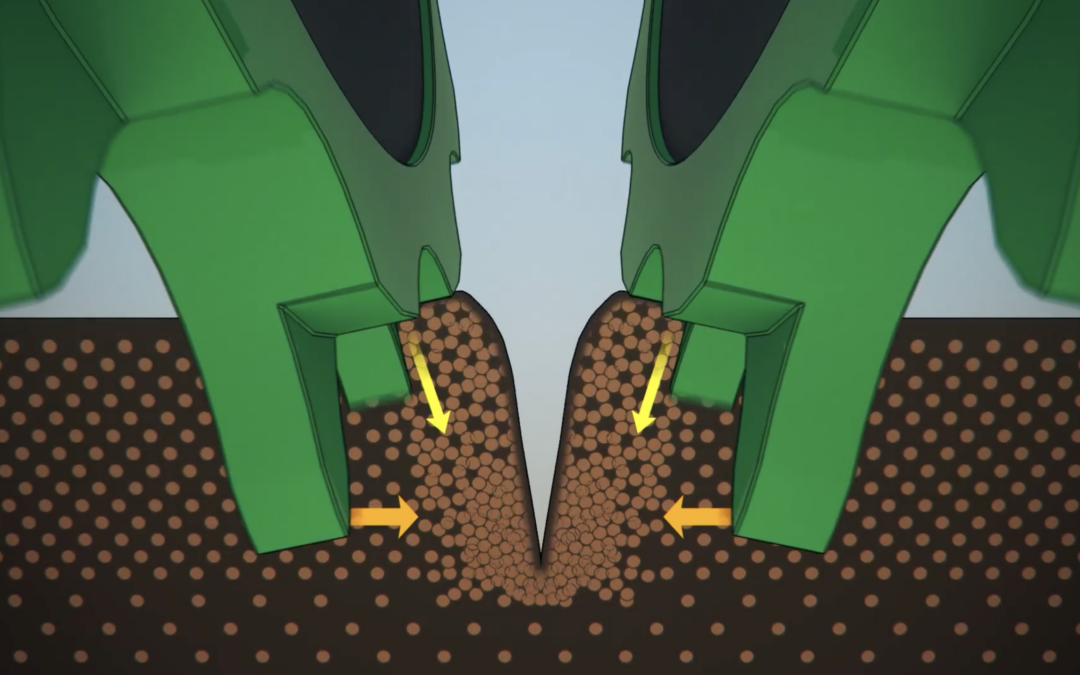
The condition of the seed trench at planting is one of the most consequential variables in a crop’s entire development cycle. Seed trench quality shapes what the seed experiences in its first hours underground, how the root system establishes in its first weeks,...

May 26, 2026 | Closing Wheels
A generation ago, getting the planter across the field as fast as possible was a competitive advantage. More acres covered in a day meant more crop in the ground before the next rain or weather window closed. That mindset still exists in many operations. Modern data,...

May 25, 2026 | Closing Wheels
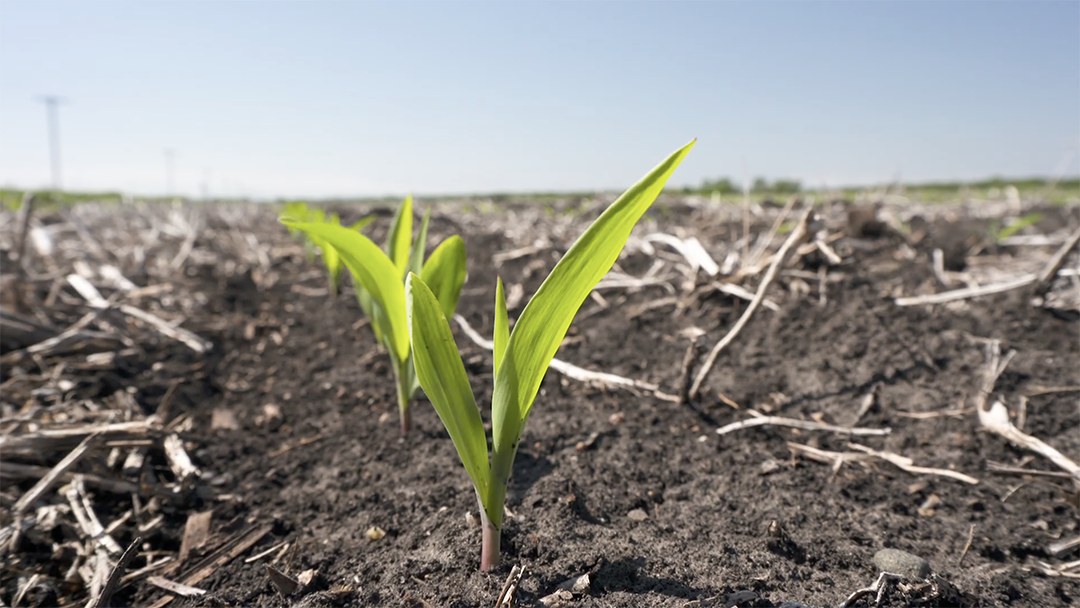
Walking a corn field ten days after planting and seeing rows with missing plants or wide gaps between seedlings is a frustrating experience for any farmer. Delayed corn emergence is one of the most common problems in spring planting, yet its causes are rarely obvious...

May 24, 2026 | Closing Wheels
Crop residue left on the field after harvest is a natural part of modern farming systems. It builds organic matter, reduces erosion, and helps retain soil moisture through the winter. When planting season arrives, however, that same residue becomes an obstacle....
May 23, 2026 | Closing Wheels
Most farmers track the calendar when deciding when to plant. Fewer check what the soil temperature actually reads at the four-inch depth where seeds sit. Soil temperature and germination timing are among the most direct biological triggers a seed responds to. Yet they...

May 22, 2026 | Closing Wheels
Germination begins the moment a seed absorbs enough water to activate its internal chemistry. That water must come from the soil surrounding the seed. Without firm, consistent contact between the seed and the surrounding soil particles, moisture transfer is slow,...