Uneven crop stands can drain ten bushels per acre before your corn even sprouts.
This costly mistake starts in the seed trench when standard rubber closing wheels fail to seal the furrow.
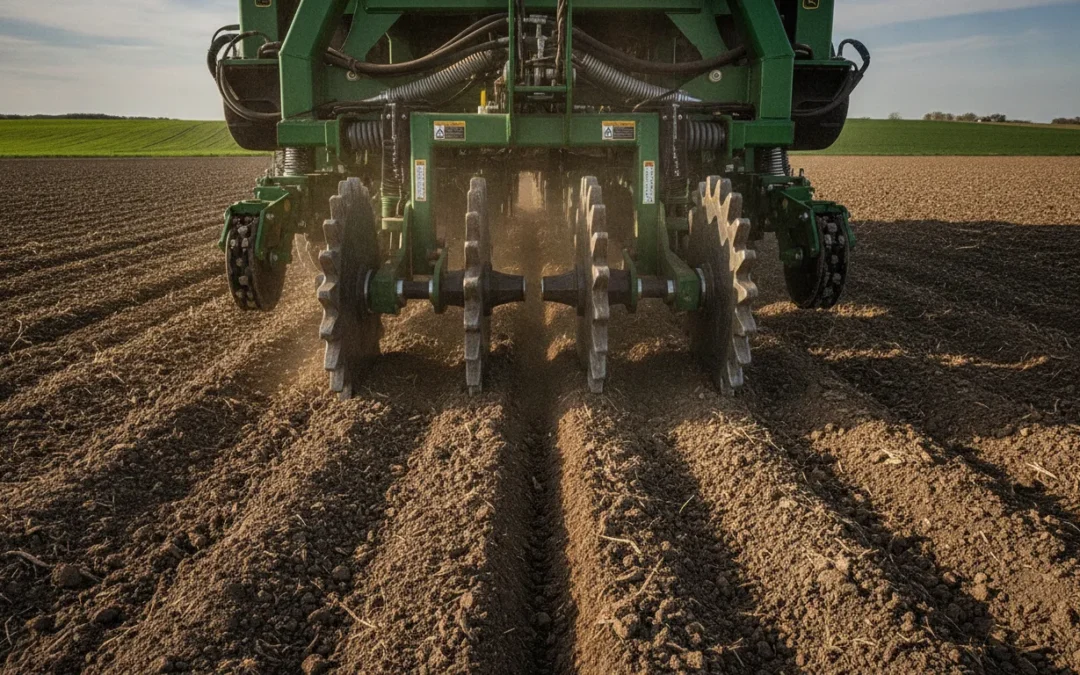
Knowing what are closing wheels on a planter is vital because these parts seal the open seed furrow and firm soil over each seed. Getting proper seed-to-soil contact allows the seed to quickly absorb soil water and start growing healthy, uniform plants after planting. Academic research from Purdue University shows that seeds must absorb moisture from the surrounding soil to germinate and emerge without costly delays. Without this secure furrow closure, dry air pockets can form around the seed, which quickly dries out the trench and delays final plant emergence. Using high-quality Germinator closing wheels helps growers stop sidewall compaction and succeed in improving germination and maximizing yields on their farms.
Call (712) 520-6051 to talk to a closing wheel expert about upgrading your planter.
Knowing how these planter parts work is the first step to protecting your harvest. The right closing system determines whether your crop gets the uniform emergence it needs to maximize yield potential.
What Are Closing Wheels On A Planter: What Are Closing Wheels?
Every row unit on a modern planter needs a way to finish the job of placing seed in the ground. Before spring, you must ask: what are closing wheels on a planter and how do they impact your crop? These wheels are the last parts of the row unit that touch the dirt. They are designed to seal the trench after the seed is dropped, which keeps moisture locked in the soil.
Where closing wheels mount
Closing wheels mount at the very back of each row unit behind the seed opener and press wheels. They attach to the row unit by a bracket that lets them run right over the open trench. Most setups use two wheels in a V-shape, but some use a single wheel. This rear spot keeps other planter parts from stirring up the soil after the furrow is closed.
The bracket also connects to a downpressure spring or an air bag. This lets you change how hard the wheels press on the soil. Proper pressure is needed to close the seed trench across your whole field. Running them with too much or too little pressure will hurt your stand. The ground can change, so a bracket you can adjust helps you adapt to other fields.
Their primary role in planting
Their main job is closing the seed furrow and firming the soil over the seed. When the opener cuts the soil, it creates a clean trench. After the seed drops, the closing wheels must crumble the trench walls and pack the soil. This firming action is what creates the seed-to-soil contact needed for fast, even germination.
Without this contact, the seed cannot thrive. Seeds must take in water from the soil to grow, making good soil contact vital. If the soil around the seed is too loose, the seed cannot absorb the moisture it needs. This leads to poor emergence, which drags down your total yield from day one.
Standard rubber wheels often struggle to close the trench in tough soils or no-till fields. Using aftermarket options like Germinator closing wheels can improve emergence compared to standard rubber. State research shows that aftermarket planter wheels improve final corn emergence across many test plots. If you want a proven way of improving germination and maximizing yields, choosing the right wheels is a great first step.
How Do Closing Wheels Work?
To learn what are closing wheels on a planter, you must see how they work in the field. The planting row unit is a fast and precise machine. Each part must work to place, cover, and protect each single seed.
Four steps to close the furrow
Closing the trench is not just about dumping loose dirt on top of the seed. The row unit uses a series of steps to finish the job during planting.
- Opening the soil. First, the double-disk opener cuts a clean V-shaped trench in the soil to a set depth. This prepares the seedbed and clears a path for the seed.
- Placing the seed. Next, the seed drops from the tube into the bottom of the open trench. It must rest flat on the trench floor for even growth.
- Collapsing the trench. Behind the seed tube, the closing wheels run on each side of the trench. They pinch the side walls to push loose soil back over the seed.
- Firming the seedbed. Last, the wheels press down to pack the soil around the seed. This action ensures improving seed-to-soil contact so the seed can take in water.
Proper wheel spacing
The distance between the two closing wheels is a key setting. If the gap is too wide, the wheels will not close the bottom of the trench, which leaves harmful air pockets. If the gap is too narrow, the wheels can dig out the seed or pack the soil too hard right over it.
For most row units, a gap of 2 to 2.5 inches between the wheels is best. This spacing allows the wheels to pinch the soil from the sides rather than pushing down from the top. Making this change is a key part of consistent soil firming across the entire field.
Adjusting wheel pressure
The closing system must apply the right amount of force to the soil. According to a study from the University of Vermont, setting closing wheel downpressure is key. It helps get good seed furrow closure in many soil types across a single field.
If you use too much pressure in wet soil, you can cause severe sidewall compaction. If you use too little pressure in dry or hard soil, the wheels cannot close the trench.
The main goal is to close the seed furrow without leaving air pockets that can dry out the seed and delay growth. Gently firming the soil around the seed ensures good contact and prevents air pockets that can lead to moisture loss. This balance protects your harvest and helps every row emerge at the same time.
What Happens When Closing Wheels Fail?
To see what are closing wheels on a planter, you must look at what happens when they do not do their job. When these parts fail, you pay for it in poor stands and lost crop yields. Your planter opens a trench, drops the seed, and must close the soil over it. If your wheels do not close the trench right, your crop is in trouble from day one.
The trap of sidewall compaction
When planting in wet soils, the double-disk openers can pack the trench walls too tight. This issue is called sidewall compaction. Standard rubber wheels often fail to break these hard trench walls. According to the University of Vermont, this hard soil restricts root growth and limits water. It also delays or stops seedlings from coming up. If you want strong roots, you must focus on managing seed trench quality as you plant.
Air pockets and dry seedbeds
Failed wheels can also leave large air pockets around the seed. This happens when standard rubber wheels just push soil over the top of the trench instead of firming it from the bottom up. In no-till fields with lots of trash, wheels may struggle to clear old corn stalks. A factsheet from the University of Vermont shows that poorly managed residue can trap trash in the trench. This creates air pockets and dries out the soil around the seed. You can prevent this by managing crop residue during planting to keep a clean seedbed.
Uneven emergence and lost bushels
When closing wheels fail to do their job, some seeds sprout late. These late-emerging plants must compete with larger plants for water, light, and food. A report by Purdue University warns that late plants act like weeds in your field and rob you of yield. They use up resources but do not produce full ears. In fact, a plant that comes up just a few days late may never make a real ear. This uneven stand leads to fewer bushels in the bin at the end of the year.
To fix this, many growers swap standard rubber wheels for spiked or metal aftermarket wheels. A study by the University of Wisconsin-Madison proved that aftermarket closing wheels greatly improve final corn emergence compared to standard rubber wheels. The right wheels break up sidewall compaction, press soil firmly around the seed, and clear crop trash. This small change helps your whole field come up at the same time. That is the best way to hit your top yield. If you want all your crops to come up together, you need the right tool on your planter row units.
Types of Closing Wheels: Steel vs Plastic
When you look at what are closing wheels on a planter, you will find several designs on the market. Standard options include rubber, plastic, and steel. Each style handles the seed trench in a different way.
Standard rubber closing wheels
Most planters come from the factory with standard rubber closing wheels. These OEM parts apply pressure and force from the top of the trench to press it shut. When you use standard rubber wheels, managing seed trench quality becomes hard in heavy soils. They fail to fracture the trench walls, which can seal the seed inside. In wet dirt, rubber wheels can press the soil too hard. This leads to compaction and blocks young roots from growing.
Spiked steel and plastic options
To fix the limits of rubber, you can choose aftermarket steel or plastic wheels. Plastic options, like Yetter wheels made of UHMW plastic, are lighter than steel. But plastic wears down much faster in sandy soils. Spiked steel wheels work by pinching the trench from the sides. These steel spikes pinch near the bottom of the trench to fracture the sidewall. This action breaks up the hard dirt to ensure good soil cover. It is especially helpful for improving germination and maximizing yields in tough fields.
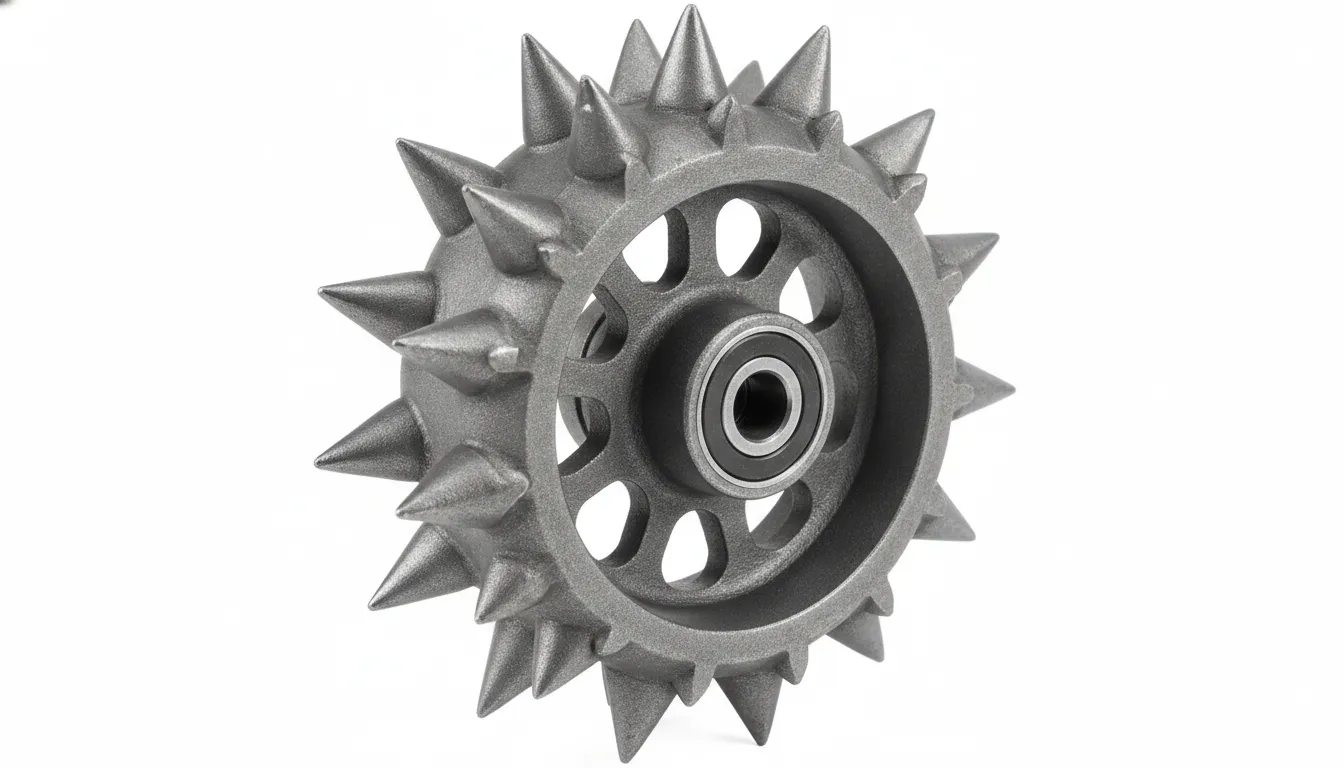
In no-till fields, standard rubber wheels often fail because they cannot cut through thick crop residue. Research from the University of Wisconsin-Madison shows that aftermarket closing wheels outperform standard rubber wheels in no-till fields.
Comparing cost and value
When you look at aftermarket options, cost is a major factor. Spiked wheel systems can range from a couple hundred dollars to over a thousand dollars per row. For instance, Schlagel Posi-Close wheels cost between $215 and $250 per row. Yetter wheels cost from $198 to $272 per row. High-end systems like Precision Planting FurrowForce cost about $1,208 per row. In contrast, Germinator closing wheels cost just $212 per row.
This price difference gives Germinator a clear value advantage. At $212 per row, Germinator wheels are 85% cheaper than the Precision Planting system. But you do not lose quality for the low price. Germinator wheels are made from high-strength, 50-grade steel that outlasts plastic. They provide the same soil fracturing power of high-end systems at a fraction of the cost.
The table below shows how the leading closing wheel options compare on material, cost, and soil performance.
| Wheel Type | Material | Estimated Cost per Row | Compaction Relief |
|---|---|---|---|
| Standard Rubber | Rubber and steel | OEM Standard | Poor, often causes compaction |
| Yetter Spiked | UHMW Plastic | $198 to $272 | Moderate, but plastic wears fast |
| Schlagel Posi-Close | Spiked steel | $215 to $250 | Good soil fracturing |
| Precision Planting FurrowForce | Automated system | $1,208 | Excellent automated relief |
| Germinator | 50-Grade Steel | $212 | Excellent, 85% cheaper than FurrowForce |
What Should I Look for in a Closing Wheel?
When you want to upgrade your planter, you need to understand what to look for to get the best results. Farmers often ask, what are closing wheels on a planter and how do they impact the crop? The right choice helps close the seed trench, prevents air gaps, and ensures even emergence.
Material and planter fit
The build of the wheel is the first thing to check. Rubber wheels wear out fast and crack easily. Heavy plastic is a bit better, but 50-grade steel is the top choice. Steel outlasts plastic by three to five times, which saves you money on replacement parts. You must also make sure the wheels fit your row units. High-quality wheels should bolt right onto common planter makes like John Deere, Case IH, Kinze, and White without extra brackets.
Tillage types and downpressure needs
Your tillage system also affects what closing system you need. A good wheel must work across all tillage types, from fully worked ground to tough no-till fields. In no-till, the soil can be hard to close and prone to sidewall compaction. Spiked steel wheels can break up that hard clay where standard rubber fails.
Along with soil type, you must manage how much force the wheel puts on the ground. According to field tests, proper downpressure on closing wheels is key to get even furrow closure across different soil types. Too much pressure packs the soil too tight, while too little pressure leaves dry air gaps around the seed. You need a system that lets you adjust this pressure easily to match changing field conditions.
Soil contact and return on investment
The main goal of any closing wheel is to raise your yield by making better seed-to-soil contact. You should look for a wheel shape that firms soil from the sides instead of packing it down from the top. For example, Germinator closing wheels use an inner-shoulder design. This shape closes the trench from the bottom up, which prevents air pockets and helps with improving germination and maximizing yields.
Finally, you must look at the return on your investment. High-grade planter parts should pay for themselves during their first season. At $212 per row, these heavy steel wheels cost far less than other brands. In field trials, this setup showed a 5.1 bushel per acre gain for corn. With a fast payback and long life, choosing a steel wheel is an easy way to protect your crop and add to your bottom line.
Frequently Asked Questions
How many acres do planter closing wheels last before replacement?
The lifespan of your closing wheels depends on your soil types and tillage practices. High-quality steel wheels can last up to 25,000 acres before you need to replace them. As shown by field results from Schlagel, these tough steel options far outlast standard rubber or plastic wheels. If you plant in sandy soil, you should check your wheels for wear every spring.
Why are spiked closing wheels better than rubber in no-till fields?
Standard rubber wheels press down from above, which can pack wet soil and seal the seed trench too tight. Spiked wheels pinch the furrow closed from the sides while breaking the trench wall. A study from the University of Wisconsin-Madison shows that aftermarket wheels lead to much better corn emergence than standard rubber. Breaking up that hard sidewall lets roots grow fast and helps crops emerge at the exact same time.
How do I adjust planter closing wheels for different soil conditions?
You must adjust closing wheel downpressure to match your soil moisture and texture. If your soil is wet and heavy, you need more pressure to seal the furrow. In light or dry soil, use less pressure so you do not pack the dirt too hard. As noted by the University of Vermont, proper downpressure is key to closing the furrow without leaving air pockets that dry out your seeds.
Will aftermarket closing wheels fit on my row crop planter?
Yes, most aftermarket closing wheels are built to fit standard hubs on major planter brands. You can install them on John Deere, Kinze, Case IH, and White row units without major changes. Many brands use standard bolt-on designs that let you swap out your old rubber wheels in minutes. Check with your dealer to see if you need special bolt kits or spacers for your own planter.
Ready to Improve Seed Germination on Your Farm?
Leaving worn out rubber closing wheels on your planter can cost you bushels of corn and soybeans through poor emergence and open seed trenches. If you wait until the spring rush to upgrade your planter, you risk shipping delays and missed planting windows that hurt your final yield. Buying your new wheels now gives you plenty of time to install the parts and test them before the soil warms up next season.
Ready to get started? Call (712) 520-6051 to talk to a closing wheel expert today. We can help you find the right steel wheels for your planter setup. Start protecting your crop yield before planting begins.