When it comes to farming in Iowa, every seed matters. The soil is rich, the weather changes fast, and timing often decides the size of your harvest. That is why choosing the right closing wheels affects seed-to-soil contact, emergence, and long-term yield. Many farmers compare steel closing wheels with rubber ones, but the real question is which option delivers better performance across Iowa’s unique field conditions?
In this article, we will break down the differences between the two and highlight why steel wheels are the best.
What Are Closing Wheels and What Are They Used for?
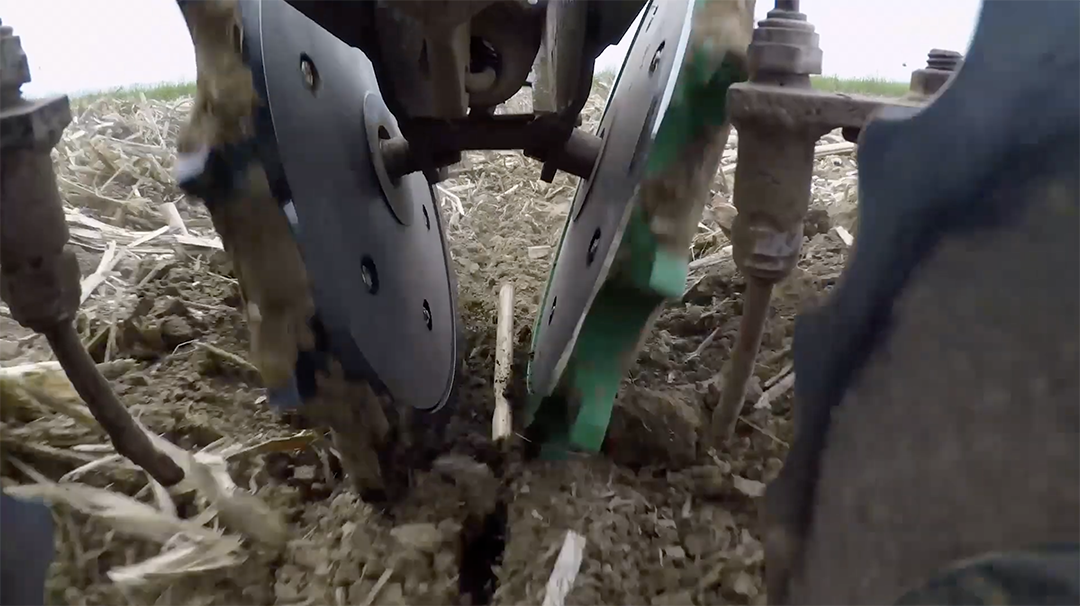
Closing wheels seal the seed trench after planting. However, their job is more than pressing soil together. Steel Closing Wheels must create the proper soil structure, control moisture, and help the seed settle into a firm yet non-compact environment.
Moreover, Iowa’s mix of heavy clay, variable moisture, and residue-rich fields makes this job even more demanding. That is why many farmers reevaluate their equipment every season.
Rubber Closing Wheels
Rubber Closing wheels have been used for decades. They are soft, gentle, and work fine in lighter soils. However, many Iowa farmers find that rubber wheels:
- Struggle in wet or sticky conditions.
- Fail to break sidewall compaction.
- Leave the trench partially open.
- Do not compact the soil too much, as this can restrict oxygen flow.
Additionally, rubber often bounces more, resulting in uneven pressure and inconsistent seed coverage. This inconsistency may not matter in ideal conditions, but Iowa rarely offers them.
Steel Closing Wheels
Now, let’s talk about steel-closing wheels, the option many Iowa growers prefer today. Steel wheels provide a firmer, more consistent closing action. They also maintain pressure while breaking compaction and creating a seedbed that supports fast and uniform emergence.
5 Advantages of Steel Closing Wheels
1. Superior Soil Penetration: Steel wheels cut through harsh residue and hardened sidewalls. This is extremely important in no-till or minimum-till fields, which are common across Iowa.
2. Better Contact for Seed-to-Soil Process: Since steel creates a better closing action, the seeds go inside the soil easily. Consequently, farmers often notice fewer gaps and stronger early growth.
3. Improved Yield Potential: Did you know that many farmers in Iowa report noticeable gains after switching to steel because a constant stand usually leads to more substantial yield numbers.
4. Longer Durability: Besides, steel lasts longer and requires less maintenance, which makes it a cheap upgrade.
Steel vs. Rubber: A Quick Comparison for Iowa Conditions
To truly understand why many Iowa farmers are making the switch, let’s look at how steel and rubber closing wheels stack up against each other across the most critical factors impacting your planting success in diverse Midwestern fields.
| Feature / Condition | Traditional Rubber Closing Wheels | Germinator Steel Closing Wheels |
| Soil Penetration | Limited; tends to ride on top or smear soil | Excellent; cuts cleanly through residue and hardened sidewalls |
| Sidewall Compaction | Can worsen compaction, especially in wet clay | Actively reduces compaction by fracturing soil effectively |
| Wet/Sticky Soil | Struggles, prone to smearing, mud buildup, and inconsistent closure | Consistent performance; fractures wet soil without smearing |
| Heavy Residue Handling | Prone to clogging, bouncing, and struggles to cut through | Slices cleanly through residue; maintains consistent depth |
| Seed-to-Soil Contact | Often inconsistent, can leave air pockets | Superior; creates firm, even contact without crushing |
| Durability / Lifespan | Wears faster, is prone to cracking, and requires more replacement | Longer-lasting, high-quality steel ensures seasons of use |
| Yield Potential | Variable, often limited by inconsistent emergence | Higher supports more uniform emergence and stronger stands |
| Maintenance | More frequent checks/replacements needed | Less maintenance; durable construction reduces downtime |
| Iowa Field Suitability | Less ideal for variable, harsh Iowa conditions | Highly Recommended; engineered for Iowa’s specific challenges |
Why Steel Closing Wheels Perform Better, Specifically in Iowa Fields
Iowa’s soil changes sharply across short distances. You might plant through heavy black soil, clay pockets, and residue mats in a single pass. Steel wheels handle each shift without losing effectiveness.
Moreover, spring moisture levels often vary from row to row. Steel wheels respond better to this unpredictability because their design lets them manage both dry and wet strips without skipping or bouncing.
Additionally, the high residue levels left after corn harvest require a wheel that can slice, crumble, and close simultaneously. Steel does that naturally.
How Steel Wheels Improve Early Emergence
Early emergence sets the tone for the entire season. When closing wheels create the right environment, seeds warm faster, absorb moisture properly, and push upward with less resistance. Steel wheels deliver this advantage by:
- Creating a firm, crumbly top layer
- Preventing sidewall glazing
- Allowing oxygen exchange
- Keeping moisture around the seed
Furthermore, these benefits work together to produce a more even stand, something every Iowa farmer wants.
Are Closing Steel Wheels Worth the Investment?
If your fields have high residue, variable moisture, or any level of compaction, then yes, steel wheels usually pay for themselves. The cleaner closing action and stronger seedbed often translate into better emergence and healthier plants.
Additionally, the long-term durability means you will invest once and take many advantages.
Final Verdict: Steel vs Rubber Closing Wheels
There’s no doubt that rubber wheels still have a place in light soil. However, steel-closing wheels outperform in Iowa’s diverse and challenging fields. Additionally, modern steel wheels, which are now commonly used by Iowa growers, are also designed to withstand real-world conditions.
If your goal is to improve emergence, reduce compaction, and support stronger yields, steel is the more intelligent choice. And if you want fewer trench issues and more consistent emergence across Iowa soils, switch to steel closing wheels now.