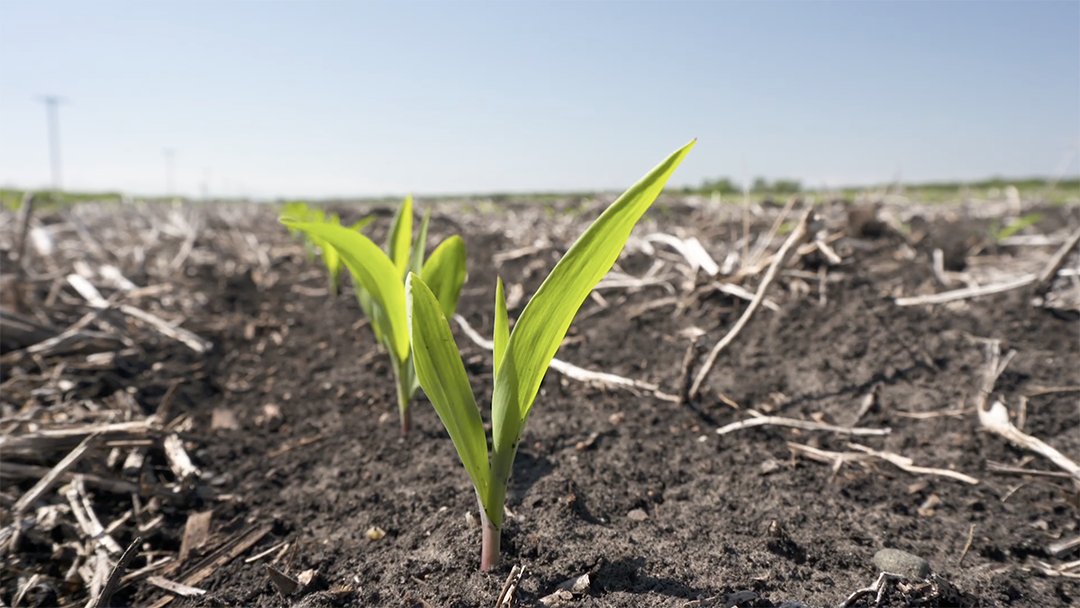
If you have spent any time planting corn in Iowa, you know it’s not just about dropping seeds in the ground. Soil types change from field to field, and weather can swing from wet to dry in a matter of days. In all this, one thing stands out: making sure seeds have good seed-to-soil contact is critical. Without it, even the best seed might struggle to sprout evenly.
Here’s why getting it right matters, and what you can do to make sure your seeds get the best start.
Why is Seed-to-Soil Contact Important
Think about it like this: a seed is only going to grow if it can touch the soil around it. If it is sitting in a loose trench or there are air pockets, it won’t get the moisture it needs. It might sprout unevenly, or worse, fail to grow at all.
On the other hand, when seeds are pressed gently into the soil, they absorb water more quickly, receive sufficient oxygen, and begin growing strong roots immediately. Strong roots mean healthy plants that can survive dry spells, push through tough soil, and produce more corn by harvest.
Closing Wheels: The Unsung Heroes
After planting, Closing wheels are what firm the soil around each seed. Not all wheels are created equal. In Iowa, with its mix of clay, loam, and heavy residue from last year’s corn, some wheels perform much better than others.
Steel Closing Wheels are a favorite for many farmers here. They cut through the residue and press soil around the seed evenly without crushing it. Rubber wheels work, but in sticky or wet soil, they can leave gaps, which leads to uneven emergence. Using the right closing wheel can make a noticeable difference in the uniformity of your rows.
How Proper Seed-to-Soil Contact Helps Your Corn
- Faster, Even Emergence: Seeds that sit firmly in soil sprout more uniformly, which means you get an even stand without patchy rows.
- Stronger Roots: When the soil hugs the seed, roots grow down and out quickly. That gives plants a head start and makes them more resilient.
- Fewer Lost Seeds: Additionally, air pockets or loose soil can leave seeds vulnerable to drying out or pest infestations. Firm contact protects them.
- Better Field Management: Uniform emergence makes it easier to spray, fertilize, and irrigate. Everything else on the farm becomes simpler.
- Higher Yields: Moreover, healthy seedlings lead to full, even growth. The more consistent your stand, the more likely you are to get maximum yield from every acre.
Tips for Iowa Farmers
- Check your planter downforce too little leaves seeds loose, too much compacts soil.
- Consider steel-closing wheels if you are planting in no-till or heavy-residue fields.
- Walk your fields after planting to check trench closure. Make adjustments early if needed.
- Additionally, consider the soil moisture level: proper seed-to-soil contact works best when the soil is neither too wet nor too dry.
Conclusion
A better seed-to-soil contact is not as complicated as you think, and it’s one of the most important things you can do for your corn crop. When seeds are planted ideally inside the soil, they sprout evenly, roots grow strong, and plants bloom.
Take the time to check your wheels, soil, and planter settings to ensure the best possible harvest.