
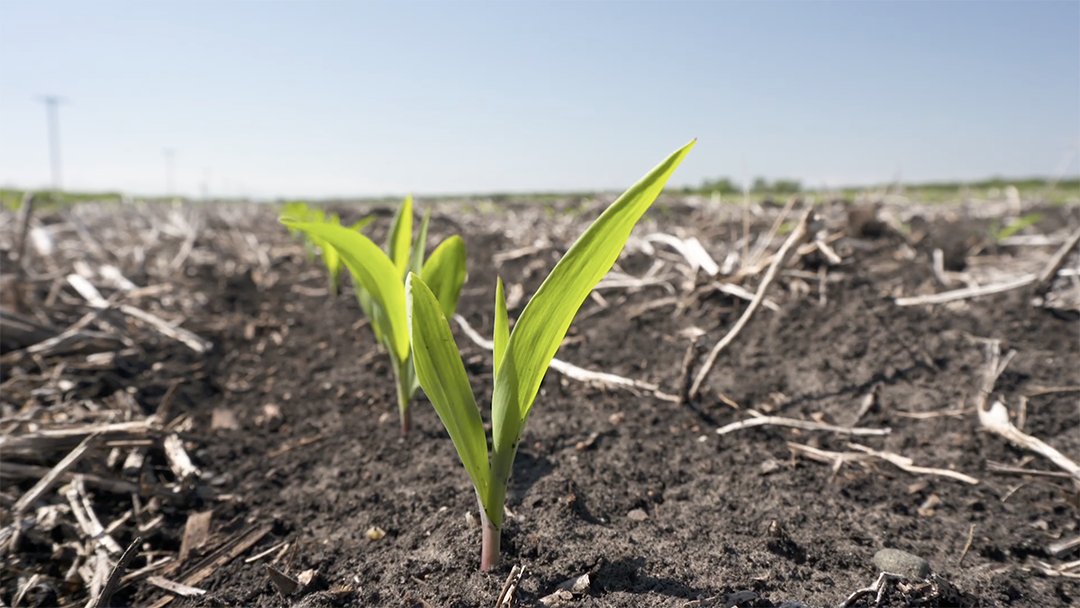
Walk two fields planted on the same day with the same seed variety, and you can see a clear difference. One field has rows packed with green seedlings. The other still looks bare. Germination speed differences between fields frustrate farmers every season and often seem impossible to explain. The causes are real, measurable, and largely preventable with the right knowledge and equipment choices.
Germination speed is not random. It follows the conditions present in the seed zone at planting time. Soil moisture, temperature, physical seed-to-soil contact, and trench closure quality all influence how quickly a seed activates and pushes upward. Fields that manage these factors consistently germinate faster and more uniformly. Fields that leave any one factor to chance fall behind from the first day after planting.
What Affects Germination Speed
Soil temperature is the first factor. Seeds have a minimum temperature threshold below which germination chemistry does not begin. Plant too early in cold soil, and seeds sit dormant for days or weeks. Plant in soil that has warmed past that threshold, and germination starts within 24 to 48 hours. Many farmers monitor soil temperature carefully, but fewer recognize the day-to-day variation that can occur even within a single field, depending on elevation, drainage, and soil color.
Moisture is the second major driver. Seeds need water to activate the enzymes that begin sprouting. Soil that is too dry prevents moisture from reaching the seed coat. Soil that is too wet can suffocate seeds or encourage disease. The ideal range is firm, moist soil pressed tightly against every surface of the seed. Soil moisture variation across a field creates uneven germination, resulting in patchy stands in the weeks after planting.
Why Fields Perform Differently
Field variability in soil type, drainage, and compaction creates zones that behave very differently during planting. Low spots hold more moisture and warm more slowly in spring. Sandy ridges drain fast and dry out quickly after rain. Compacted headlands resist root penetration and slow seedling emergence. These differences exist across nearly every field but are rarely managed at the seed level. The result is uneven germination that cannot be fixed after planting begins.
Planting equipment also plays a major role in field variability and farming performance. Worn opener blades leave ragged trenches with inconsistent depth. Old or mismatched closing wheels fail to seal the trench properly across varying soil textures. Planter units that bounce or lose down-pressure in rough areas place seeds at inconsistent depths. Each of these equipment issues creates differences in germination speed from one end of the field to the other. Better equipment management significantly reduces this variability.
How Germination Speed Can Be Improved
Improving germination speed requires controlling the factors that delay it. Consistent soil contact, balanced moisture, proper seed coverage, and reduced variability all work together to narrow the window between the first seed sprouting and the last. Farmers who address each of these factors through equipment upgrades and field management see measurable improvements in stand uniformity and overall planting performance.
1. Consistent Soil Contact
Seeds with full, firm soil contact germinate faster than those sitting in loose or gapped trenches. Consistent contact ensures moisture transfers quickly to the seed coat. The closing wheel is responsible for creating that contact. A well-designed closing wheel presses soil evenly against the seed from all sides. This consistency shortens the time between planting and emergence and reduces the spread between the fastest, and slowest-germinating seeds in the row.
2. Balanced Moisture Levels
Too much moisture and too little moisture both slow germination. Balanced moisture levels in the seed zone give seeds the water they need without waterlogging the root environment. Proper trench closure keeps moisture near the seed without trapping excess water. Farmers managing wet soil planting issues or dry soil challenges benefit most from closing systems that adapt their pressure to maintain the right balance across all soil conditions in the field.
3. Proper Seed Coverage
Seeds that are not fully covered by soil germinate unevenly. Partial exposure to air dries the seed coat and interrupts moisture absorption. Complete soil coverage on all sides of the seed creates the sealed environment needed for fast, reliable germination. Proper coverage also moderates temperature around the seed, which is important in fields where surface temperatures swing widely during the days immediately following planting.
4. Reduced Soil Variability Impact
Soil variability cannot be eliminated, but its impact on germination can be reduced. Equipment that adjusts to soil changes in real time maintains consistent seed placement and trench closure regardless of soil conditions. Closing systems that respond to texture and moisture differences keep seeds in a stable environment across sandy ridges, clay low spots, and everything in between. Reducing variability’s impact leads directly to faster, more uniform germination across the whole field.
5. Improved Planting Accuracy
Planting accuracy covers seed depth, spacing, and trench closure quality. Seeds placed at the correct depth in consistent soil conditions germinate in a narrow window. Seeds placed too shallow or too deep emerge at different times and struggle throughout the season. Accurate placement reduces the spread in germination timing and gives farmers the uniform stand they need for efficient management. Accuracy at planting is one of the highest-return investments a farmer can make.
Long-Term Impact on Crop Yield
Germination speed differences compound throughout the growing season. Seeds that emerge three days late never fully catch up to their neighbors. They grow in the shadow of taller plants and compete for water and nutrients from a weaker position. By the time the crop reaches reproductive stages, those late-emerging plants produce noticeably less grain, fewer pods, or smaller ears. A small timing gap at emergence becomes a measurable yield gap at harvest.
Fields with uniform, fast germination consistently outperform fields with uneven stands. Every plant reaches key growth stages at the same time. Canopy closure happens uniformly, reducing weed pressure and improving sunlight capture across the row. Harvest efficiency improves when plant maturity is consistent. Farmers who focus on narrowing germination speed differences protect yield potential at every stage of the crop cycle and build the consistent results needed to improve planting consistency season after season.
Conclusion
Differences in germination speed between fields are due to real, identifiable causes. Soil moisture variation, temperature inconsistency, poor seed contact, and equipment limitations all play a role. None of these factors is fixed. Farmers who understand what drives germination speed can take targeted steps to reduce the gaps and achieve more uniform stands across their entire operation.
The goal is not perfection in every field. It is consistent improvement through better equipment, smarter management, and attention to the details that matter most at planting time. Fields that germinate fast and uniformly produce stronger crops, require less intervention during the season, and deliver better returns at harvest. The steps to improve planting consistency begin in the seed zone and yield results from the first week after the planter leaves the field.