Introduction
A lot of farmers focus on seed selection and fertilizer programs but forget that none of that matters if the field isn’t ready. Field conditions planting success starts long before the planter hits the ground. What the soil looks like feels like and tests like on planting day can make or break the whole season.
Bad field conditions at planting cause problems that can’t always be fixed later. Seeds put into cold wet or compacted soil may rot or sit dormant for too long. By the time conditions improve the planting window may have already passed. Getting a handle on field readiness before planting is one of the smartest things any grower can do.
What Is Pre-Plant Field Assessment?
Pre-plant field assessment is just the process of checking your fields before you plant. It means walking your ground checking soil temperature testing moisture levels and looking at how last season’s residue has broken down. It sounds basic but a lot of growers skip it or rush through it and then wonder why emergence was uneven.
A solid field readiness checklist covers a few key things. Soil temperature at seed depth. Moisture level throughout the top few inches. Residue breakdown. Compaction in the tillage zone. And drainage patterns. When all of those are in a good range you’ve got a field that’s ready to receive seed. When one or more are off it’s better to wait or address the problem before you plant.
Why Do Field Conditions Have Such a Big Impact?
Soil temperature before planting is probably the single most important number on that checklist. Most crops have a minimum soil temperature for germination. Corn for example needs soil at least 50°F at seed depth and most agronomists prefer 55°F or warmer. Planting into cold soil means slow germination and a higher risk of disease getting to the seed before the shoot emerges.
Field moisture conditions are just as important. Soil that’s too wet will compact under equipment weight. It will also cut off oxygen from the seedbed. Soil that’s too dry won’t have enough moisture to start germination. There’s a narrow window where moisture is just right and field assessments help you find it before you commit to planting.
Key Field Conditions to Check Before Planting
Getting conditions right isn’t luck. It’s about checking the right things at the right time. These are the areas that matter most.
- Soil Testing Before Planting
Soil testing before planting tells you what nutrients are present and what might be missing. Labs like Waypoint Analytical Servi-Tech Laboratories and AgSource all offer pre-plant soil testing services. Getting results a few weeks before planting gives you time to apply what’s needed. Going in blind means your seed is betting on whatever the soil happens to have.
- Tillage and Field Preparation
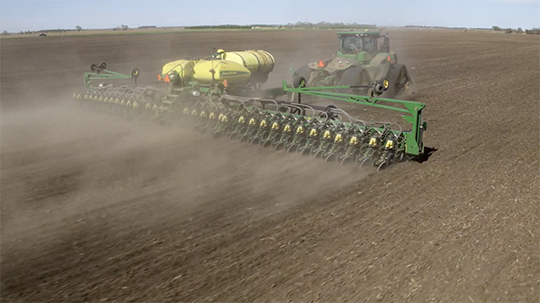
Tillage and field preparation set up the physical environment your seed will live in. Whether you’re doing full tillage strip-till or no-till the goal is the same. Create a seedbed where seed-to-soil contact is good, moisture is available and roots can move. Equipment from companies like Case IH Kinze and Kuhn Group helps farmers get that seedbed right depending on their system.
- Field Condition Monitoring
Field condition monitoring through the weeks leading up to planting helps you spot problems early. Tools like Farmers Edge CropX and Granular all offer soil monitoring platforms that track temperature and moisture in real time. Instead of guessing when conditions are right you can look at the data and make a call with confidence.
The optimal planting window is different for every crop and every region. University extension programs from schools like Iowa State Purdue and University of Nebraska-Lincoln publish planting date guidelines for major crops. Missing that window by even a week or two can reduce yield potential. Field assessments done early give you the best shot at hitting that window when conditions line up.
5. Weather Conditions for Planting
Weather conditions for planting go beyond just the day you plant. Looking at a 7 to 10 day forecast before committing to planting is standard practice for experienced growers. Planting just before a heavy rain can wash seeds out or seal the soil surface. Planting into a cold front means a rough start. Services like DTN or Iteris AgWeather give farmers crop-specific weather guidance to help plan around conditions.
How Good Field Prep Sets Up Your Season?
When you walk your fields check your numbers and wait for the right window you’re stacking the odds in your favor. Seeds that go into a prepared field with the right temperature, moisture and structure start faster and establish more evenly. That means fewer replanting decisions, less stress and a cleaner crop through the rest of the season.
Products like Germinator work best when the field is already set up for success. A seed treatment that supports faster root development and stronger emergence does its best work when soil temperature is right, moisture is available and the seedbed is ready. Matching good field preparation with the right seed support gives your crop the strongest possible start.
Conclusion
Field conditions planting decisions should never be rushed. The work you do before the first seed goes in the ground shapes everything that follows. Soil temperature, moisture tillage and weather all play into whether your crop comes up fast and even or struggles from day one.
Take time for a real pre-plant field assessment each season. Walk your ground, check your data and don’t let calendar pressure push you into planting before conditions are ready. The fields that get that kind of attention tend to reward it every time.