
Introduction
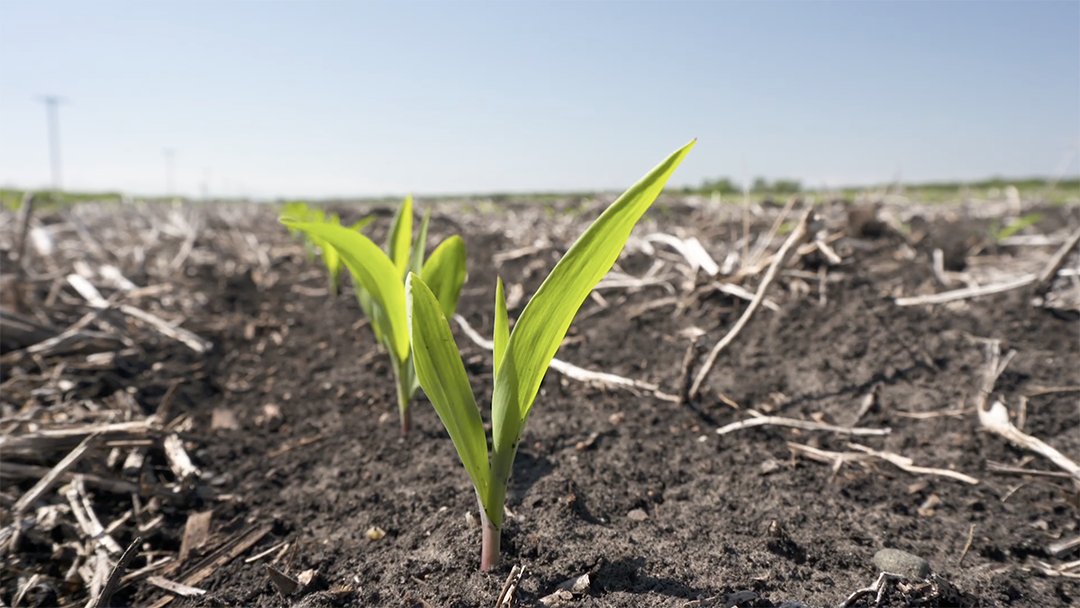
Every farmer wants a field that comes up even. But uneven emergence is one of the most common problems growers deal with season after season. A lot of it comes down to the balanced seed environment each seed either has or doesn’t have when it goes in the ground. Seeds that sit in different conditions come up at different times, and that gap never fully closes.
Think about what’s happening at seed depth across a single field. One spot might be warmer and wetter. Another might be drier and cooler. Those differences seem small, but to a seed they’re huge. Balanced growing conditions for seeds mean every seed gets roughly the same moisture, the same temperature, and the same contact with soil. When that happens, the whole field moves together.
What Is a Balanced Seed Environment?
The seed microenvironment is the small zone of soil right around each seed. It includes temperature, moisture, air, and the physical contact between seed and soil. This tiny space is where germination either starts well or starts poorly. Most of the time, growers are thinking about the whole field, but what really matters is what’s happening in those few inches around each seed.
Moisture and temperature balance at the seed is what triggers germination in the first place. Seeds need both to be within a certain range at the same time. If moisture is there but temperature is too low, germination stalls. If the temperature is right but the seed is sitting in dry soil, nothing happens either. Getting these two things dialed in consistently across the field is what creating uniform seed conditions is really about.
Why Does This Balance Matter for the Whole Crop?
Even the seed environment across the field leads directly to even emergence. When seeds come up within a day or two of each other, they compete fairly for light, water, and nutrients. The plants that emerge days later than the rest never quite catch up. They stay smaller, produce less, and they take up space without contributing much to final yield. That gap starts at germination, and it compounds all season.
Environmental balance at planting also affects how well roots develop in those first critical days. A root zone with steady conditions lets roots push down at a normal pace. A root zone that swings between wet and dry or warm and cold causes roots to grow unevenly. Shallow or erratic root systems early on usually mean more stress vulnerability later, especially during dry periods in midsummer.
Key Factors Behind a Balanced Seed Environment
Getting conditions balanced across a whole field takes attention to several things at once. These are the factors that have the biggest effect on how even your seed environment actually is.
- Seed-to-Soil Contact
Good seed-to-soil contact is the starting point for everything else. When a seed sits flush against soil particles, it draws moisture from all sides evenly. When there’s an air gap around a seed, moisture transfer is inconsistent, and germination timing goes off.
Planter units are built with this in mind. Proper downforce settings and closing wheel setup make a real difference in how consistently seeds are placed.
- Soil Temperature Consistency
Soil temperature variation across a field is more common than most growers expect. Low spots warm more slowly. North-facing areas hold cold longer. Dark soils absorb heat faster than lighter ones.
Checking temperature at seed depth in multiple parts of the field before planting helps reveal those differences. Soil temperature monitoring tools from growers give a more accurate picture than a single reading near the field edge.
- Soil Moisture at the Seed Zone
Root zone conditions depend heavily on how evenly moisture sits at seed depth. Dry patches cause uneven germination even when the rest of the field looks fine. Checking moisture at several points before planting and adjusting planting depth to stay in the moisture zone helps reduce this problem. In irrigated systems, managing pre-plant moisture with equipment helps set a more uniform starting point across the whole field.
- Seedbed Preparation Quality
The seedbed is what sets up all the other conditions. A well-prepared seedbed has consistent texture, consistent firmness, and no hard clods or loose powder zones. Each of those problems creates a different seed microenvironment and breaks the uniformity you’re trying to build. Strip-till systems help build a consistent seedbed in the strip where seeds will go without disturbing the rest of the field.
- Managing the Germination Window
The germination window is the span of time between when the first seed germinates and when the last one does. A tight window means a uniform stand. A wide window means some plants are a week older than others by the time the field is fully emerged.
Everything that affects the seed environment also affects how tight or wide that window is. Reducing variability in moisture, temperature, and seed placement all help pull that window in.
How Better Seed Environments Lead to Better Uniformity
When you build a more consistent environment for your seeds, you’re not just helping individual plants. You’re changing how the whole field performs. Uniform stands use inputs more efficiently. Fertilizer reaches all plants at the right growth stage. Sprays hit a canopy that’s all at the same size. Harvest happens more cleanly when every plant matures at a similar rate.
Products like Germinator support early development during that fragile window when the seed environment matters most. When soil conditions are already balanced, a seed treatment that supports root and shoot development from the start helps close any remaining gaps. The result is a stand that comes up faster, more evenly, and with more vigor from day one.
Conclusion
A balanced seed environment doesn’t happen by accident. It takes preparation, monitoring, and attention to the small things that most people don’t think about until something goes wrong. Temperature, moisture contact, and seedbed quality all feed into how uniform your emergence ends up being.
The fields that come up the most evenly are usually the ones where someone paid attention to seed environment balance before the planter ever moved. Build those conditions intentionally, and your crop will show it from the very first day above ground.