During wet spring weather, delayed planting is a common problem for New York farmers. Cold soil, rain, and muddy fields often push planting later than planned. In these situations, furrow closure is very important because it helps cover seeds and protect them in the soil.
New York soils act differently when planting is delayed. The topsoil may look dry but water often stays below. It can create uneven soil conditions. If the furrow does not close well, seeds can sit in small air gaps. If furrows do not close well, seeds can sit in air gaps. It slows germination and causes early growth to be uneven. Proper furrow closure keeps seeds touching the soil and helps crops grow strong from the start.
How Delayed Planting Alters Soil Response
When planting is delayed, the soil is already stressed from being wet and then drying several times. After spring rains and warm weather the soil surface can form a hard crust. As planters move through this soil, it can crack or smear instead of filling the Sidewall compaction is more obvious during delayed planting because the soil is often wet at planting depth. Hard sidewalls resist movement and make furrow closure harder. Farmers in New York often see these problems in fields with fine-textured soils.
Role of the Planter Closing Wheel
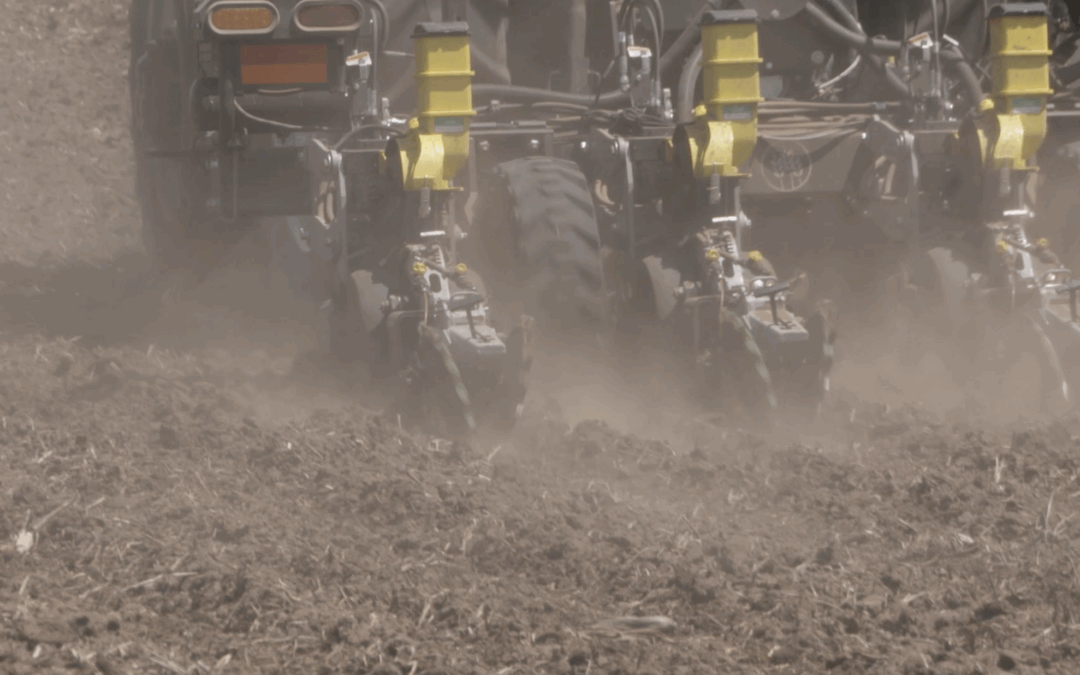
The planter closing wheel has a direct influence on how the furrow finishes. During delayed planting, soil does not respond evenly to pressure. In some areas, wheels may over-pack the soil, while in others they fail to fully close the trench. Growers often notice that closing wheels which performed well earlier in the season behave differently when planting is pushed later. Warmer air temperatures combined with uneven soil moisture lead to inconsistent closure from row to row. This inconsistency shows up later as uneven emergence across the field.
Depth Control Challenges
Depth control becomes harder when soil firmness changes rapidly. One section of the field may allow deeper penetration, while another resists the row unit due to compaction or residue. Uneven depth affects how soil moves during closure. Seeds placed too shallow may become exposed if the furrow does not seal properly. Seeds placed too deeply may struggle if the soil above becomes dense. Maintaining consistent depth helps improve closure reliability, especially under delayed conditions.
Moisture Retention Balance
Moisture is very important during delayed planting. The deeper soil usually has enough water, but the top layer can dry fast in warm weather. If furrows stay partly open, water can escape and stress the new seeds. Too much pressure from the closing wheels can compact the soil, preventing air from reaching the seeds. New York farmers often notice that finding the right balance is harder when planting is delayed and soil changes across the field.
Spring Planters in Late Planting Windows
Spring planters are usually adjusted for average conditions, but delayed planting pushes them outside that range. Settings that worked earlier may no longer match soil behavior later in the season.
Residue management plays a role here. Residue left in the furrow can prevent soil from settling evenly, creating gaps that wheels cannot fully close. These issues become more visible when planting speed increases to cover ground quickly during a short planting window.
Field traffic patterns also influence closure results. Areas compacted by previous passes often exhibit different furrow finishes than untouched sections, resulting in uneven stands.
Interaction of Row Unit Components
Row-unit components must work together to ensure proper closure. During delayed planting, imbalances become easier to spot. Too much pressure can worsen compaction, while too little leaves the furrow open. The planter downforce system affects how consistently the row unit maintains contact with the soil. Changing conditions throughout the day often require close monitoring, as soil dries and firms quickly. Planter setup calibration becomes more critical when planting is delayed, as minor adjustments can lead to noticeable differences in furrow appearance and seed environment.
Conclusion
Across New York, delayed planting shows that furrow closure depends more on each field’s conditions than on fixed planter settings. Watching how soil moves behind the planter and making adjustments helps seeds come up evenly. Knowing how furrow closure works during delayed planting in New York helps farmers respond to changes in soil moisture, compaction, and leftover crop residue rather than just following early-season guesses.