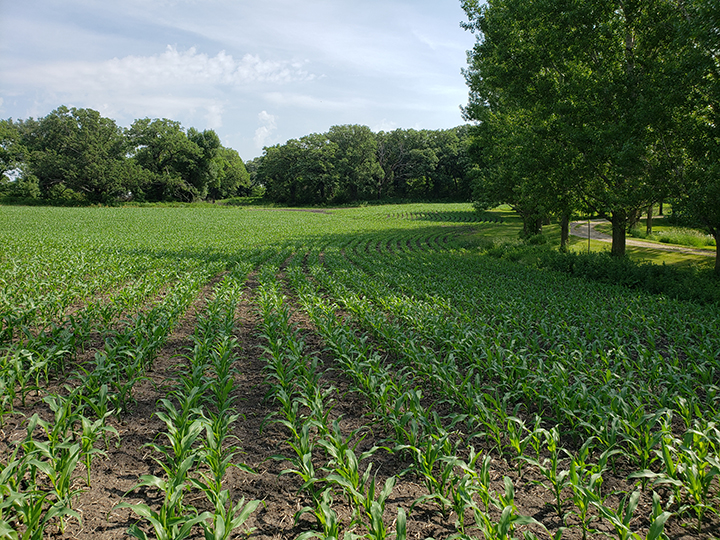
No-till farming is growing fast in Iowa, and many farmers choose this system to protect the soil and save moisture. They leave crop residue on the field instead of turning the soil over, which helps reduce erosion and supports long-term soil health. Groups like the USDA and Iowa State University often share research showing that soil structure improves when tillage is reduced. But no-till planting also brings new challenges during spring.
In wet, heavy fields, seeds must still be placed at the correct depth and well covered. Residue on top and firm soil below can make trench closing harder. Many growers now view Closing Wheel Iowa as part of their no-till planter upgrade plan in Iowa. They want tools that match the soil system they use. In areas across the Midwest, farmers are learning that standard closing wheels may not perform well in no-till planting in Iowa conditions.
Why No-Till Farming Needs Specialized Closing Wheels
Research from Iowa State University shows that soil strength and moisture balance differ in no-till fields, meaning seeds need better protection during planting. In no-till fields, the soil layer under the surface can feel hard. When planter disks open the trench, they may create smooth walls around the seed zone. If those walls stay smooth, roots may struggle to move out into the soil and need small cracks and soft paths to grow. At the same time, residue from last season’s crops remains on the field. Corn stalks and soybean stems can change how soil falls back over the seed. If the residue goes into the trench, it can prevent soil from properly contacting the seed.
Moisture also behaves differently in no-till systems. Water often stays near the surface because the soil is not turned over. During spring, this can keep the soil cold and wet for longer. Seeds sitting in cold, damp soil may grow more slowly. It is why closing wheels must not only press soil but also shape it naturally. Good trench closing helps protect moisture balance, supports root growth, and helps seeds start growing at the same time across the field.
1. Soil Structure Differences
In tilled fields, the soil is loose and soft; in no-till fields, it is layered and firm. When a planter disk opens the trench, it may create tight sidewalls. If the closing wheel presses soil without breaking it, roots may struggle to move outward. Soil must crack gently around the seed so air and water can move freely. Farmers who want to improve no-till emergence understand that soil structure must stay healthy around the seed zone.
2. Residue Management
Residue from last year’s crops stays on the field surface in no-till systems. Corn stalks and soybean stems can affect how soil closes over the seed. If the residue is pushed into the trench, it may block seed contact with the soil. Poor contact reduces germination speed. In areas near the Mississippi River Valley, moisture levels can remain high in spring, making the residue even heavier. Closing wheels must manage both soil and residue simultaneously.
Why the Germinator Closing Wheel Works Best in No-Till
Germinator Closing Wheel Iowa is designed to handle firm soil and surface residue produced by Farm Shop MFG and is built with a steel design that shapes the soil while closing the trench. Instead of pressing soil flat, it fractures the sidewalls gently. Many farmers who use Germinator closing wheel no-till setups say it fits well with conservation practices.
1. Proper Soil Movement
Proper soil movement means soil shifts inward without sealing tightly. The wheel creates small cracks in the trench wall. These cracks allow roots to grow easily. Soil around the seed stays firm but not compacted. Farmers reading field reports in No Till Farmers often see how soil fracture improves early crop health. This movement protects the seed zone and maintains moisture balance amid changing spring weather.
2. Better Seed Protection
Seeds must stay covered and protected after planting. Germinator wheels push soil over the seed while also clearing a slight amount of residue from the trench area. This supports even coverage. Good coverage reduces air pockets and moisture loss. When seeds stay in a stable environment, germination becomes more uniform. Many growers see more vigorous early plants across the row, which helps overall crop performance.
Performance Benefits Iowa No-Till Farmers See
Farmers in towns near Des Moines and other rural areas share similar results. They report more even stands and healthier early growth. Fields planted with the Germinator Closing Wheel in Iowa often show less variation between rows. This helps farmers manage fertilizer and irrigation more accurately.
In the no-till planting season, Iowa systems’ consistency matters. When plants emerge at the same time, they compete fairly for sunlight and nutrients. Uniform stands support better yield later in the season. Farmers also notice fewer replant situations because seeds are protected from early weather stress. Many growers view this wheel as an essential piece of Iowa conservation farming equipment that supports soil health goals while improving planting results.
Why It Is a Long-Term Investment
Planting equipment upgrades require careful decisions. Farmers consider durability and returns over many seasons. Germinator Closing Wheel Iowa is built from strong materials that withstand heavy field use. Many farmers believe that solving common planting problems in Iowa becomes easier with upgrades to the Germinator Closing Wheel. When trench health improves, crop risk lowers.
Over time, strong early emergence leads to stable yields. Stable yields support farm income. Instead of focusing on a single season, many growers consider how equipment affects soil and crop performance year after year. In no-till systems, protecting soil structure is very important. A tool that supports both soil health and crop growth becomes a valuable long-term investment.
Conclusion
No-till farming brings many benefits, but it also requires the proper planter setup. Firm soil layers and surface residue make trench closing more difficult. Standard wheels may press soil without improving structure. Germinator Closing Wheel Iowa offers a smart upgrade for no-till planter systems. It gently fractures soil, manages residue, and protects seeds in wet spring fields. Farmers who use the Germinator Closing Wheel in Iowa often see better emergence and more uniform stands. For Iowa no-till operations, this tool supports both crop success and long-term soil health.