How Indiana Farmers Improve Stand Uniformity Using the Germinator
The planting season in Indiana moves fast. Sometimes, a few days in the field show you what is not working. You might see open furrows or uneven stands. The thought hits: do I wait until next year, or fix it now? Making a change mid-season feels like a big decision. You need to know it will make a real difference, and fast. This article shares what Indiana farmers actually observe when they make that switch. It is not about promises, but about the fundamental changes they see in their fields and their routine during the same Indiana planting season.
Why Some Indiana Farmers Switch Mid-Season
You start the season with your usual setup, hoping for the best. But sometimes, the field tells a different story. Problems that seemed small in the shop become obvious across acres. It is not about wanting something new. It is about addressing a clear issue that is affecting your crop right now. The decision to switch is not made lightly. It comes from seeing a problem that cannot wait another year. For many, it is the push to stop a recurring issue in its tracks and salvage the season’s potential.
Problems that become visible after planting starts
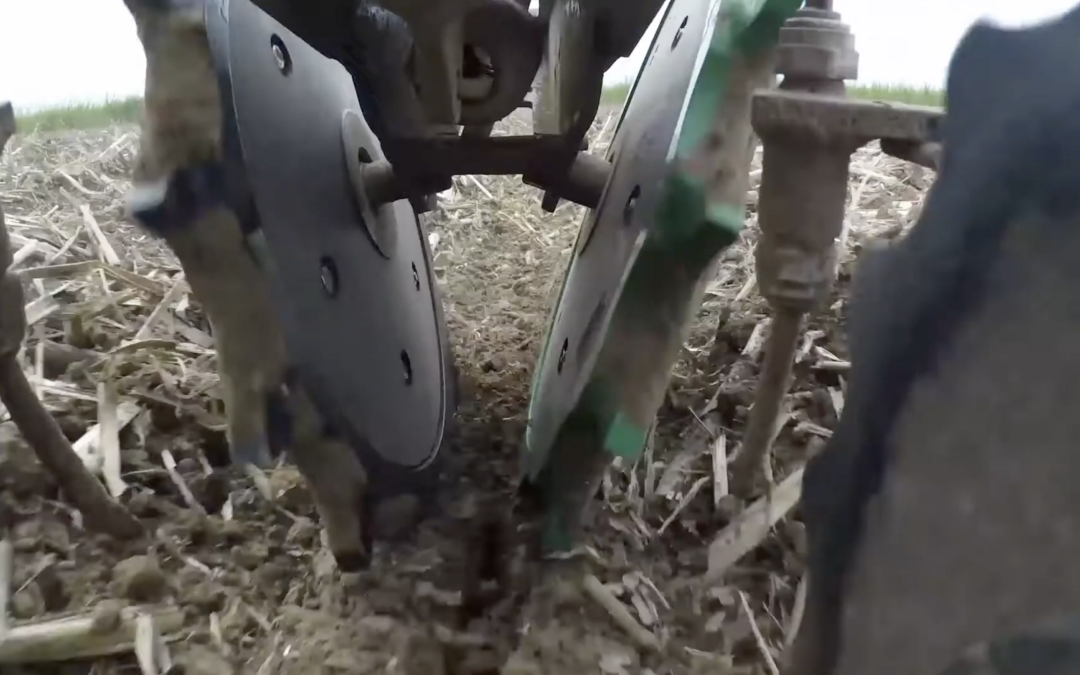
The first sign is often visual. You stop the tractor and walk the field. There, you see the open trenches or the soil that looks fluffed up but not firmed. The seed is exposed or buried under a loose bridge of dirt. Another clue is inconsistent soil movement behind the planter. It does not look uniform from row to row. These are clear signs of inconsistent furrow closure issues. You realize the problem is not just in one spot; it is a pattern. That pattern threatens your stand before the seed even has a chance to sprout.
Why waiting until next year feels risky.
When you see a planting problem, waiting feels like accepting failure. A whole season’s yield is on the line. The issue you see now will only show up worse at emergence. You will spend all summer looking at skips and uneven rows, knowing the cause. Fixing it next spring means another year of the same worry. For a farmer, that is a long time to live with a known problem. A mid-season planter adjustment is a direct attempt to correct course. It is about taking control back while there is still time to influence the outcome.
What Farmers Notice Immediately After the Switch
The change happens quickly. You bolt on the new wheels and head back to the same field you were just in. The first thing you notice is not always in the soil. It is in how you feel in the cab. The tension of watching the row units starts to fade. You find yourself looking ahead to your next pass rather than constantly glancing behind. There is a physical difference in how the planter pulls, a smoother feel. This immediate shift in the planting experience is the first sign that the switch was the right call.
Changes in how planting feels
The operation simply feels smoother. There is less vibration and bouncing from the closing wheel area. You do not feel the urge to stop and check every few rounds. The mental load lightens because one primary variable feels settled. You can focus on your speed and your steering. This new rhythm is noticeable on the very first day. It turns a stressful, watchful job into a more confident, forward-moving process. The relief is real and immediate, changing the whole tone of your planting day.
Early signs of improved furrow closure
By the end of the first round, you will likely stop to look. The difference is often visible right away. The trench is closed with a neat, firm seam. The soil is not thrown loosely, and it is tucked in properly. You see consistent soil flow off each wheel. In wetter spots, the soil is not smeared. In drier areas, it is firm without being compacted. This visual confirmation is powerful. It shows that Germinator Indiana is addressing the exact problem you saw earlier. It is designed to address the harsh spring planting conditions you are facing in Indiana.
Observations That Stand Out After a Few Days
After a couple of days and several fields, the evidence builds. The initial hope solidifies into trust. You move from a clay field to a silt loam field and do not think about changing a thing. The performance stays steady. Problems that used to pop up in certain soil types or moisture levels no longer appear. This consistency across different parts of your farm is the most convincing observation. It proves the solution is not a fluke for one field, but a reliable fix for your entire operation.
More consistent closure across fields
You stop finding those trouble spots. The end rows, the hills, the wet corners, they all look like the middle of the field. There is a uniformity that was not there before. This is the true meaning of consistent furrow closure. It happens everywhere the planter goes. This consistency removes the worry of hidden failures. You gain a deep confidence that every seed is getting the same good start, regardless of the field’s minor variations. This is a game-changer for peace of mind.
Reduced need for further adjustments
A significant benefit becomes clear: you stop adjusting. You do not tweak pressure settings from morning to afternoon as the soil dries. You do not change anything when you switch farms. The Germinator Indiana finds its own balance. This stability saves time and mental energy. It means your planting setup is finally a constant, not a variable you have to manage all day long. This reliability is what builds true planting confidence in Indiana, turning a hectic season into a manageable, steady process.
What Early Emergence Confirms for Indiana Farmers
All the observations from the cab lead to this moment: the first green spikes breaking the soil. This is the final, undeniable proof. The crop itself tells you if your mid-season decision was correct. Farmers who switch often report checking those fields with a mix of hope and nervousness. What they see usually confirms everything they felt during planting. The story written by the emerging plants is one of uniformity and strength, validating the change in the most critical way possible.
More even emergence patterns
The rows come up evenly. There are fewer skips and doubles. The plants emerge within a tighter window of time, showing uniform germination. The start is even more critical for yield potential. The crop in the switched fields looks more uniform than in the fields planted before the change. This side-by-side comparison on your own land is robust evidence. It connects the improved furrow closure directly to a better plant stand. These Indiana field observations are what farmers trust most.
Why does confidence increase after seeing results?
Seeing the evidence in the crop closes the loop. The confidence you felt in the cab is now confirmed in the field. The decision to switch is no longer a gamble, and it is a validated success. It eliminates any second-guessing. You know the improvement is real, measurable, and impactful for your season’s outcome. This confirmation is why most farmers who make the switch do not look back. They have seen the problem, applied the solution, and witnessed the result, all within the same growing year.
Conclusion:
The reason is simple: they saw it work. The switch was not based on a brochure or a hope. It was a direct response to a visible problem, followed by precise, observable results. The improved furrow closure, the smoother operation, and finally, the even emergence build an unshakable trust. Once you have fixed a core issue in the middle of a season and salvaged your stand, going back to the old way makes no sense. The Germinator Indiana proves its value not in a future promise, but in the present reality of a better-planted field. That is a conclusion no farmer argues with.