
Introduction
Every farmer wants a field that comes up even. But consistent germination is hard to get right. Seeds go into variable soil across a whole field. Getting all of them to wake up at the same time takes more than just good seed.
When germination is uneven, the problems don’t stop at emergence. Plants that come up late never fully catch up. They stay smaller and produce less. Consistent germination across a field sets every plant up to perform at the same level from day one.
What Consistent Germination Really Means?
Germination rate uniformity means seeds are not just germinating at a high percentage. It means they’re doing it within a tight window of time. A field where seeds germinate over ten days is very different from one where they all go within 48 hours of each other.
Seed vigor and germination are related but not the same thing. Germination percentage tells you how many seeds can sprout in ideal conditions. Seed vigor tells you how well they’ll sprout when conditions aren’t perfect. High vigor seed keeps better germination consistency factors even when temperature or moisture dips a little.
Why Uniformity Across the Field Is So Hard to Get?
Achieving consistent germination is hard because no field is truly uniform. Soil type changes. Elevation shifts. Organic matter levels vary from one end to the other. All of that creates different environments at seed depth across the same field.
Factors affecting germination include soil temperature, moisture, seed contact depth, and seed quality all at once. If any one of those is off in part of the field,d that section comes up differently. The challenge is these variables all affect each other at the same time.
Key Factors Behind Germination Consistency
These are the things that matter most when it comes to even germination across the whole field.
- Soil Temperature and Germination
Soil temperature and germination have a direct relationship. Every crop has a minimum temperature for germination to start. Planting below that minimum means slow and uneven starts. Tools give real-time temperature data at seed depth so decisions are based on actual numbers.
- Seed-to-Soil Contact Quality
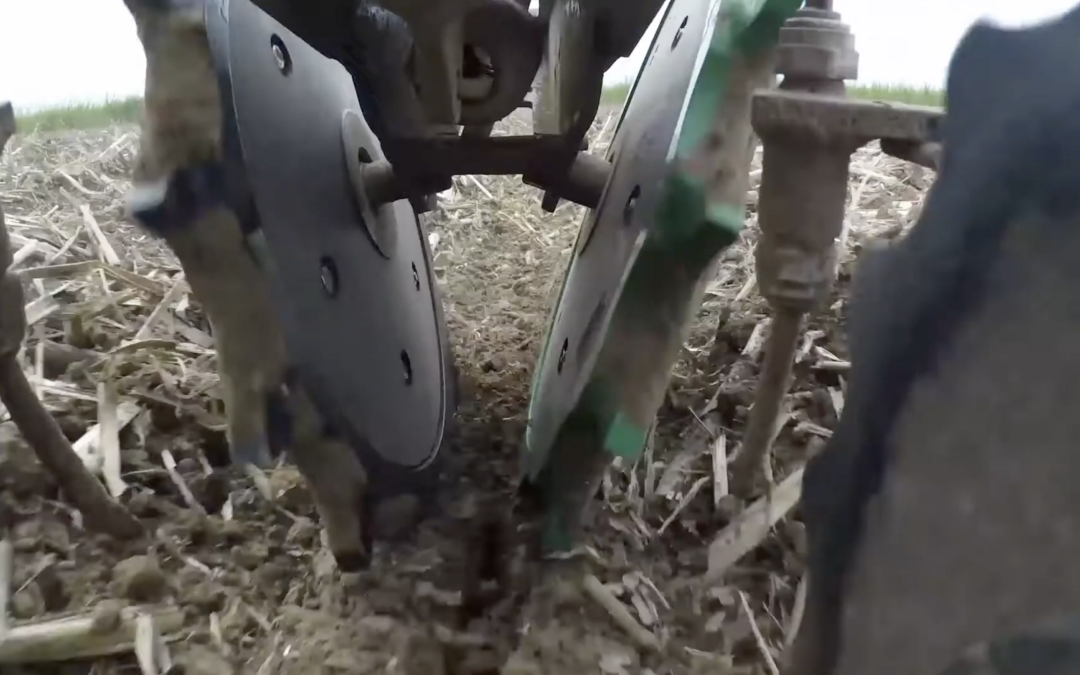
Seed-to-soil contact controls how fast moisture moves into the seed. A seed in a loose air pocket takes much longer to absorb water than one pressed against moist soil. Planter setup matters here. Downforce and closing wheel tools help every seed get consistent contact.
- Uniform Seedling Emergence Conditions
Uniform seedling emergence depends on keeping seed depth consistent across the whole field. Seeds placed too shallow are in drier, warmer soil. Seeds placed too deep sit in cooler, wetter conditions. Both germinate differently than seeds at the right depth. Row-by-row depth control helps keep depth steady across variable soils.
- Germination Percentage and Seed Quality
Germination percentage from the seed tag gives you a baseline. But real field performance can vary from that number. Seed stored poorly or handled roughly loses vigor before it goes in the ground.
- Managing the Germination Window
The germination window tightens when temperature, moisture, contact, and seed quality are all right at the same time. When even one is off in part of the field, the window widens. Fixing problem areas before planting is what keeps that window tight across the whole field.
How Addressing These Factors Improves Your Stand
Working through each of these factors gives every seed a more equal start. The result is a more uniform canopy. Fertilizer reaches plants at the same growth stage. Sprays hit a crop that’s all the same size. Harvest runs cleaner through an even field.
Products like Germinator help close the remaining gaps. Supporting early root development in those first critical days helps seeds in slightly harder conditions keep up with the ones that had it easier. Good field prep and strong seed support together are what tight stands are built on.
Conclusion
Consistent germination doesn’t happen by luck. It comes from managing the right variables before the planter rolls. Temperature, moisture, contact depth, and seed quality all have to line up across the whole field.
Germination uniformity in crops is worth the effort. Plants that come up even stay even. They compete better, respond better to inputs, and give more consistent yield at the end of the season.