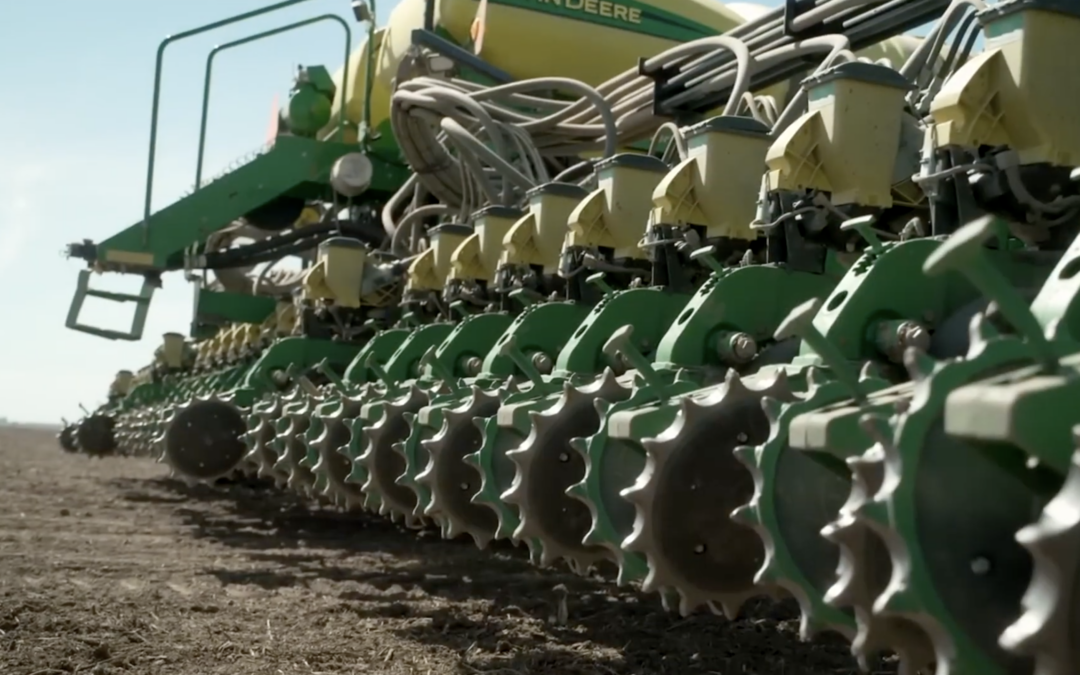
Modern corn and soybean planting in Iowa depends on equipment that can place seed with care and protect the soil around it. Planters today work across large fields where soil texture and moisture can change from one pass to the next. Because of this, every side of the planter row unit must work together so the seed enters the ground properly and the soil settles back over it.
Farmers across the Corn Belt know that planting success begins long before plants appear above the soil. The row unit opens the soil, places the seed, then closes the trench behind it. When one part in that process does not perform well, plant growth can slow down. Many growers now study how each component inside the planter affects early crop development.
One component that has gained strong attention is the Germinator Closing Wheel Iowa systems. Closing wheels guide soil back over the seed trench and help build the seed environment where the plant begins life. Agronomy teams at Iowa State University explain that early plant strength depends heavily on soil contact moisture balance and root movement during the first stage of growth. Because of this farmers now focus more closely on how the closing wheels function within the planter row unit.
Understanding how this system works helps growers choose equipment that improves planting reliability and supports stronger crop stands during the season.
Understanding Planter Row Units
A planter row unit is the section of the planter that places seed in the soil. Each row unit works like a small planting system attached to the main planter frame. It opens the soil, sets the seed at the proper depth and returns soil over the seed trench.
Large planters may contain many row units working side by side across the field. Because of this, every row unit must perform consistently to create uniform plant stands. Small differences between row units can lead to uneven emergence across planting rows.
Farmers studying planter row unit Iowa systems often focus on how each part works with the others. Seed me, the depth-control wheels and closing systems maintain balance during planting, so that soil conditions remain stable around every seed.
1. Seed Placement
The first job of the row unit is to place the seed. Seed meters inside the planter control how seeds move from the hopper into the soil trench. The row unit opens a narrow path through the soil and drops each seed at a set distance from the one.
Proper placement allows plants to grow with enough room for root expansion and access to sunlight. When seed spacing becomes uneven, some plants grow larger while others struggle to compete. This imbalance can lower yield potential across the field.
Precision equipment from companies such as John Deere and Case IH helps farmers maintain steady spacing during planting. However,r seed placement alone cannot ensure strong plant growth. The soil must return around the roots, protecting them and supporting early germination.
2. Soil Management
After the seed enters the trench, the row unit must guide soil back into place. This stage is often called soil management because it controls how the soil structure forms around the seed.
Soil management becomes difficult in wet spring conditions. Heavy soil may stick to planter discs, creating smooth trench walls. Residue from the previous crop may fall into the trench before the soil closes over it. Both situations can disturb the seed environment.
Farmers who focus on precision planting in Iowa systems know that soil handling is just as important as seed placement. The seed must remain surrounded by stable soil that allows water to move and roots to grow. It is where closing wheels become a critical part of the planter system.
Why Closing Wheels Are a Critical Component
Closing wheels operate at the rear of the row unit. Their job is to guide soil back over the seed trench after the seed has been placed. This step may appear simple, yet it has a strong influence on plant development.
A properly working closing wheel system Iowa farmers rely on will seal the trench while keeping soil structure loose enough for root growth. When the trench closes evenly, the seed stays protected inside the soil and receives balanced moisture during germination.
1. Closing the Furrow Correctly
The furrow created by the planter must close in on the sis surrounded by soil from every direction. This soil contact allows moisture to reach the seed and initiate germination.
When the trench remains partly open, the seed may sit inside a small air pocket. This space can reduce moisture contact and delay the start of growth. Rainwater may collect inside the trench, which can harm the seed before it sprouts.
Closing wheels pull soil toward the centre of the trench and gently press it back into place. This movement stabilises the seed and creates the protective layer needed for early plant development.
Researchers from the USDA explain that balanced trench closure helps maintain a steady soil temperature around the seed. Stable temperature and moisture conditions support faster germination and more reliable plant emergence.
2. Preventing Soil Compaction
Another challenge during planting is soil compaction. Heavy equipment and wet soil conditions can compress the soil surface around the trench. When this happens, roots may struggle to push through the compact layer.
Traditional closing wheels can sometimes add pressure, increasing this compaction. When soil becomes tightly packed around the trunk,ench it may block air movement and limit root expansion.
Farmers studying planter performance in Iowa systems often look for ways to prevent this problem. A good closing wheel design should guide soil back into the trench while maintaining a loose natural soil structure around the seed. Balanced soil structure helps roots grow deeper and access moisture from a larger portion of the field.
How Germinator Closing Wheel Improves Planter Systems
Many farmseeking improvednger planter performance began using Germinator Closing Wheel Iowa systems. This design focuses on how soil moves across the trench instead of simply pressing it closed.
The wheel shape interacts with the compact surfaces, restoring a natural soil texture around the seed. This movement improves the environment where the plant begins to grow.
1. Better Soil Fracture
Soil fracturing refers to the breaking of the soil’s compact surface, which can form trench walls. Wet soil often creates a polished layer when the planter disc cuts through it. This layer may block root growth after the seed germinates.
The Germinator wheel breaks that surface as it rolls across the trench. Soil pieces lift slightly, then settle back into the trench. This process restores the small spaces between soil particles, improving air and water movement.
Many equipment specialists working with manufacturers such as AGCO explain that soil fracture helps maintain a healthier seed zone. When soil remains loose, roots can grow outward more easily and establish a stronger plant structure.
2. Stronger Root Development
Healthy root systems form during the first weeks after planting. Roots move through the soil searching for moisture and nutrients. When the soil around the seed remains compact or uneven, roots may remain shallow, weakening the plant.
Improved trench closure and soil fracture support deeper root movement. Seeds receive balanced soil contact, and roots expand through the surrounding soil without hitting a dense barrier.
Farmers managing conservation systems supported by NRCS often notice that improved root development helps plants handle dry periods later in the season. Strong root systems allow plants to reach deeper moisture levels and remain stable during weather changes.
This connection between trench closure and root strength explains why many growers study closing wheel systems when improving planter equipment.
Another reason farmers pay attention to this component is that achieving better plant spacing in Iowa fields often depends on the proper performance of the closing wheel. When the seed zone remains stable, each plant develops more evenly, supporting uniform crop stands across the field.
Conclusion
Planting equipment in Iowa has become more advanced as farmers search for ways to improve crop performance across large-acre fields. The planter row unit plays a central role in this process because it controls seed placement, soil handling and trench closure.
Closing wheels are a small part of the row unit, yet they influence how the soil surrounds the seed after planting. When the trench closes correctly, the seed receives stable soil contact, balanced moisture and a strong start during early growth.
For many growers, Germinator Closing Wheel Iowa offers a practical improvement to planter systems. By fracturing compact soil and guiding soil back over the trench, the wheel helps create a healthier seed environment. Stronger soil structure supports deeper root growth and more uniform plant development across the field.
As farmers continue improving their equipment, many now recognise that planter performance depends on the cooperation of every component in the row unit. When each part works together, the planting system can support stronger crops and more reliable harvest results across Iowa agriculture.