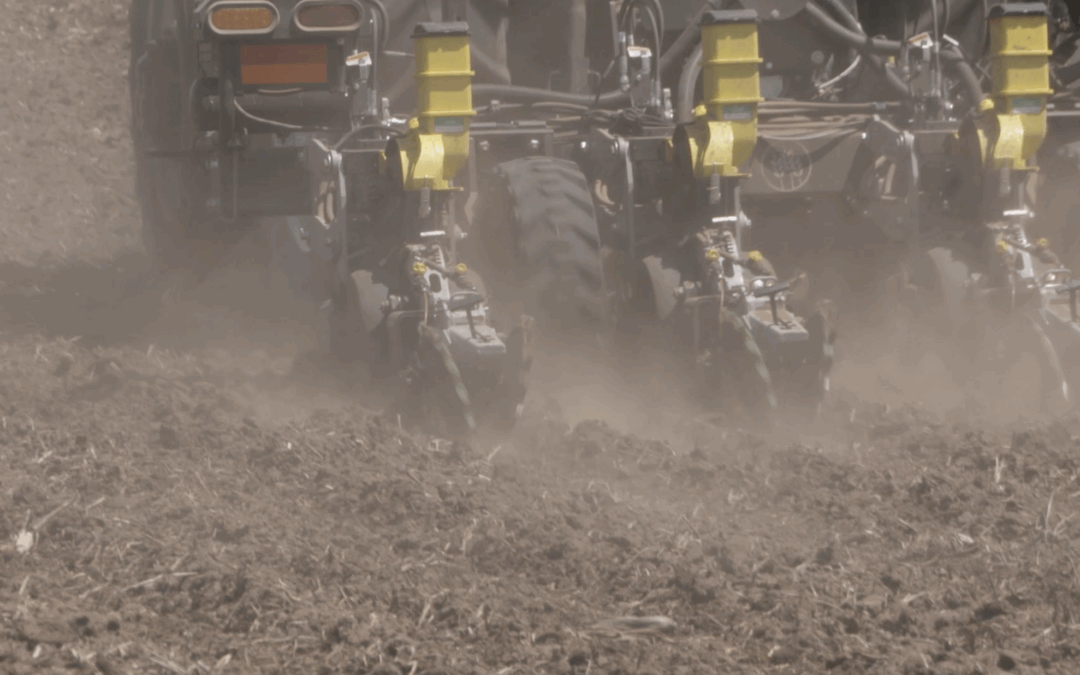
Spring planting in Illinois is a critical period during which every decision has a significant impact on crop yield. Many farmers focus on soil preparation and seed selection, but overlooked planter issues can silently reduce efficiency and performance. From uneven seed depth to poor furrow closure, these subtle mistakes often go unnoticed until harvest. Understanding which components affect crop emergence enables Illinois farmers to make more informed pre-season decisions. Regular inspection and evaluation ensure that minor problems do not turn into significant yield losses, saving time, money, and effort during the busy planting season.
Common Planter Problems Reducing Yield
Even the most advanced planters can experience issues that reduce yield. Farmers in Illinois frequently encounter problems such as inconsistent seed spacing, uneven furrow closure, and sidewall compaction. These problems can lead to delayed germination, weak stands, and reduced productivity. Worn components, especially closing wheels, often contribute to these inefficiencies. Paying attention to the planter condition after harvest and before spring planting helps farmers identify areas for improvement. By evaluating performance systematically, growers can prevent recurring problems and optimize seed-to-soil contact for more consistent and higher yields across varied field conditions.
Signs You Might Be Losing Yield
Yield loss often occurs in subtle ways that are hard to detect without careful observation. Uneven emergence, gaps in rows, and inconsistent plant height are common indicators of issues. Illinois farmers also note differences in moisture levels along seed rows, which often result from poor furrow closure or insufficient down pressure on the seed. Minor adjustments, such as checking closing wheels, seed firmers, and row cleaners, can help correct these issues. Farmers who review field performance and look for patterns over multiple seasons gain insights into which planter components may be limiting yield, allowing them to take proactive measures before the next planting season.
The Importance of Seed-to-Soil Contact
Proper seed-to-soil contact is critical for uniform germination and robust early growth. Seeds that are not firmly embedded in the soil may experience uneven moisture, leading to inconsistent emergence and weaker plants. Upgrading components that directly influence seed closure, such as steel closing wheels, can dramatically improve performance. Many Illinois farmers rely on tools designed for Midwest soils that maintain pressure and consistency throughout the planting process. Ensuring adequate contact without over-compacting the soil maximizes both yield potential and plant health, providing growers with a measurable advantage during the critical early stages.
How to Evaluate Planter Upgrades Effectively
Farmers should focus on evaluating planter upgrades before spring to maximize efficiency and returns. It is essential to consider how each component affects seed placement, furrow closure, and overall performance. Comparing options like rubber versus steel closing wheels helps identify long-term value and reliability. Durable steel designs can maintain consistent pressure across varied soil conditions, whereas less resilient components may wear down quickly, resulting in uneven emergence. Illinois farmers often prioritize upgrades that improve repeatable results across multiple seasons, ensuring investments in equipment translate directly into measurable yield improvements.
Common Mistakes That Cost Yield
Many Illinois growers unknowingly reduce yield through minor errors in planter setup or component selection. Common mistakes include:
- Insufficient down pressure, leading to loose seeds
- Overly high pressure, causing compaction
- Using worn or outdated closing wheels
- Failing to adjust planter settings for varying soil conditions
Identifying these problems early allows farmers to address them with targeted upgrades. Simple changes, such as installing steel closing wheels for improved seed-to-soil contact, can have an immediate and lasting effect on crop emergence and uniformity, helping Illinois farmers achieve more consistent results without overhauling entire planters.
Using Field Data to Prioritize Upgrades
Modern Illinois farmers rely on field data to make informed decisions. Yield maps, planting records, and soil observations highlight areas where planter performance is suboptimal. Analyzing this information reveals recurring issues that guide the selection of upgrades with the most significant impact. By combining observation with data, farmers can strategically plan equipment improvements, saving both time and resources. Targeted investments in components that directly address crop emergence problems ensure that upgrades contribute to higher efficiency and stronger early growth, giving Illinois growers confidence as they approach the busy planting season.
Long-Term Benefits of Smart Planter Decisions
Planning and upgrading the planter system ahead of planting season provides a measurable advantage. Durable, high-quality components, like steel closing wheels, reduce wear and minimize downtime, delivering consistent performance year after year. Early investment in critical upgrades ensures that crops emerge uniformly, reducing risks associated with poor soil contact or uneven planting. By focusing on measurable improvements rather than trends, Illinois farmers can optimize ROI while protecting their yields. Thoughtful evaluation and timely upgrades lead to healthier plants, increased yields, and a more efficient planting season overall.
Conclusion:
Ignoring subtle planner issues can silently decrease productivity. Illinois farmers who proactively identify weak components, focus on seed-to-soil contact, and prioritize reliable upgrades can prevent yield loss before it happens. Leveraging field data and proven equipment solutions enables growers to make informed decisions. Starting with durable components, such as steel closing wheels, and maintaining a routine inspection schedule ensures that every acre has the best chance for consistent emergence. Proper evaluation and preparation give Illinois farmers the confidence to approach planting season efficiently while maximizing crop potential.