
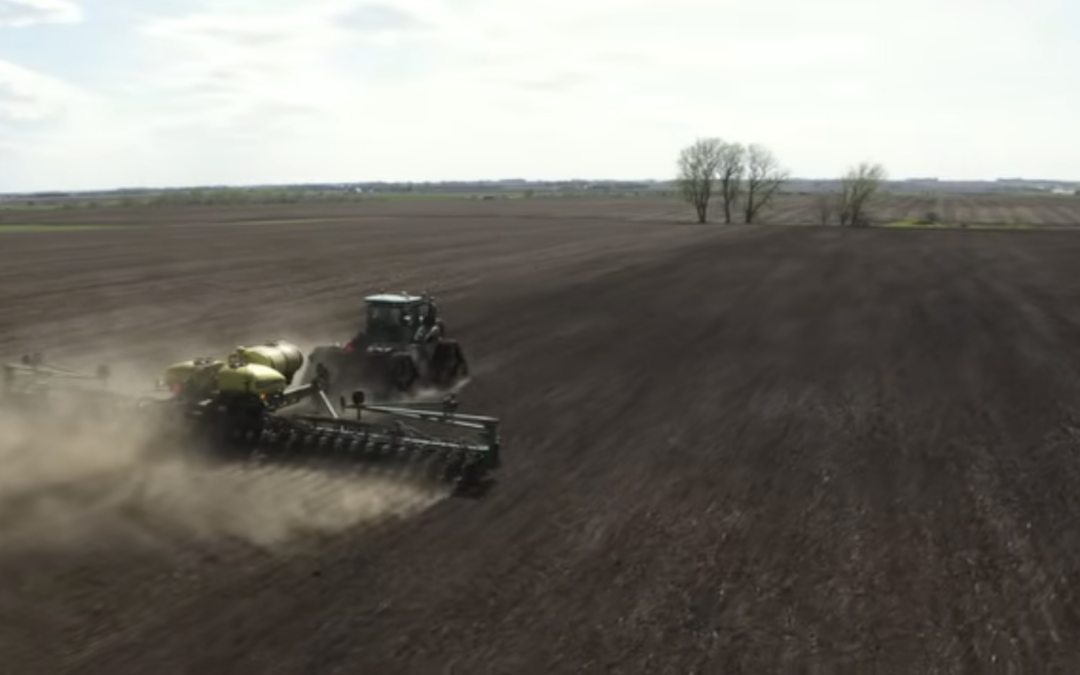
In many New York fields, furrow closure problems start showing very early in the season. Farmers notice that some plants come up fast while others come late or not at all. This uneven start is common in New York because spring weather can change quickly. Cold rain, wet soil, and slow-drying fields all affect how quickly the soil closes over the seed. When the furrow does not close well, the seed does not sit right in the soil. This minor issue later turns into uneven plant growth across the field. Farmers see this pattern again and again during early planting in New York.
How soil water movement affects furrow closure in New York
One reason uneven emergence happens is drainage differences inside the same field. Some areas hold water longer while others dry faster. When planters move through these mixed zones, the soil reacts differently. In wet spots, soil may smear and press tightly. In drier places, soil may crumble and not close fully. It creates moisture imbalance zones along the rows. Seeds in wet rows may struggle to breathe, while seeds in dry rows may lack water. Farmers notice that even small water changes can change how the furrow seals behind the planter.
Why does cold spring soil slow early plant response
New York often experiences conditions where the soil stays colder longer than expected. Cold spring soils slow many natural processes under the surface. When the soil is cold, microbial activity remains low, and the soil does not break down residue well. It affects the seed zone environment and delays early root initiation. Seeds may sit longer before sprouting. When furrow closure is weak in these cold areas, the problem becomes worse. Farmers observe that cold soil plus poor closure almost always leads to uneven early growth.
How poor air movement around seeds causes stress
Seeds need both water and air to grow well. When furrow closure squeezes soil too tightly, oxygen flow in the soil drops, in other cases, loose closure leaves air gaps that dry the seed. Both situations create seedling stress factors. Farmers often see water pooling in seed rows after rain, especially when soil aeration is already low. These seeds struggle more than others. Uneven air and water around the seed make it hard for plants to start evenly, even when the seed quality is good.
Seed health problems linked to weak furrow closure
Uneven furrow closure can also raise the risk of seedling diseases. When seeds stay wet for too long, disease pressure increases. Cold, damp soil allows harmful organisms to remain active near the seed.
Farmers notice more stand loss in areas where the furrow stays open or sealed too tightly. Poor oxygen and excess moisture weaken the seed before it can grow strong roots. These issues often first appear in low spots and compacted rows, then spread across the field in patches.
Equipment condition and its quiet role in emergence
Sometimes the problem is not the field but the machine. Planter maintenance affects how evenly the furrow closes from one row to the next. Worn parts, uneven pressure, or loose components change how soil moves after the seed drops.
Farmers in New York often notice better results after checking closing parts and making minor fixes. When equipment runs smoothly, furrow closure remains more even across varying soil conditions. This does not fix weather issues, but it reduces added stress on the seed during planting.
Soil Surface Conditions and Seedling Push Through
After planting, the condition of the soil surface plays a quiet but important role in emergence. When the top layer becomes uneven or forms a hard crust, some seedlings struggle to break through. This slows emergence in specific rows, creating visible differences in plant growth across the field.
- A tight soil surface can slow the upward movement of seedlings
- Surface crusting reduces oxygen flow in soil
- An even soil cover supports a stable seed zone environment
- Proper soil condition helps early root initiation happen smoothly
How farmers read the field and adjust expectations
With experience, farmers learn to read the signs behind the planter. They watch soil movement, seed coverage, and row finish. They know that not every field will emerge evenly in tough springs. In New York, field furrow closure issues are often accepted as part of local conditions. Farmers respond by scouting early and noting where problems start. These field observations help them understand which areas need attention later and which patterns repeat year after year in New York fields.
Conclusion
Uneven plant growth in New York rarely comes from one single cause. It often traces back to how the furrow closes under mixed soil and weather conditions. New York Fields Furrow Closure problems show how water, air, soil temperature, and equipment all interact at planting time. Farmers who closely monitor soil behavior understand why some rows struggle more than others. By seeing these patterns early, they gain better awareness of what is happening below the surface, long before the crop reaches full growth.