
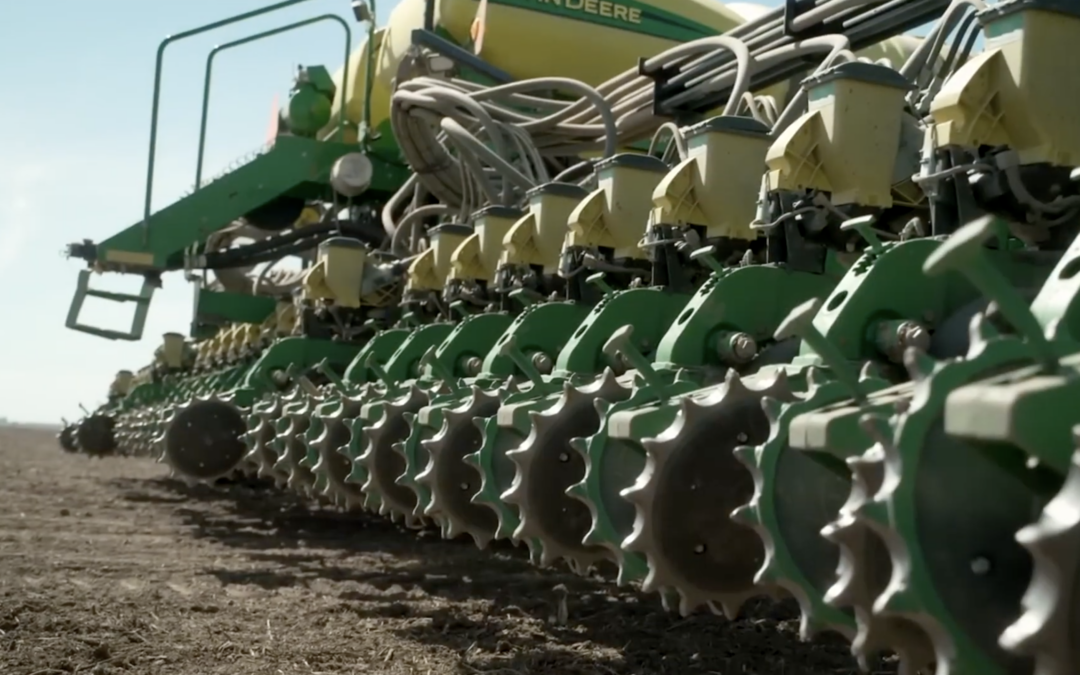
The planter closing wheel directly affects how the furrow finishes. During delayed planting, soil does not respond evenly to pressure. In some spots, wheels may overpack the soil, while in others they fail to fully close the trench. Farmers notice that wheels that worked well earlier in the season behave differently when planting is delayed. Warm air and uneven soil moisture can make closure inconsistent, which shows up later as uneven crop emergence.
Adjusting Closing Wheels for Uneven Soil Moisture Across Fields
When planting is late, farmers must adjust the closing wheels carefully. Wet soil can smear easily, and dry soil can be very hard. Pressing too hard crushes the soil and stops roots from growing, but pressing too lightly creates air pockets that slow seed growth. New York farmers watch how the planter closing wheels move through each part of the field and make minor adjustments. This helps the furrow close properly and keeps seeds safe, so they grow evenly across the field.
Balancing Furrowforce to Improve Seed-to-Soil Contact
Furrow force is important for pressing the soil around the seeds during late planting. Farmers adjust the force based on the soil, moisture, and leftover plant material. Using the right furrow force keeps seeds in contact with the soil, holds water around them, and helps roots grow strong so crops emerge evenly.
Maintaining Depth Control for Even Emergence in Stressed Soils
Maintaining consistent depth control becomes harder when soils are soft in some areas and hard in others. Uneven depth affects how soil moves during closure. Seeds placed too shallow may become exposed if the furrow does not seal properly. Seeds too deep may struggle if the soil above is dense. Correct depth ensures reliable furrow closure and consistent emergence.
How Seed Metering Ensures Proper Spacing During Delayed Planting
Seed metering is critical for delayed planting. It ensures seeds are evenly spaced and drop at the correct depth. Misplaced seeds can worsen the effects of poor furrow closure. Farmers adjust metering speed and monitor row units carefully to maintain proper spacing across uneven soils.
Managing Moisture Retention to Protect Seeds in Late Planting Windows
Maintaining soil moisture is very important when planting is delayed. The soil deeper down usually has enough water, but the top layer can dry fast. If the furrow does not close properly, the water escapes, and the seeds feel stress. When farmers match wheel pressure with the proper soil moisture, roots grow better, and crops come up evenly.
Adjusting Spring Planters for Late Planting Challenges in New York
Spring planters are usually set for typical conditions, but delayed planting pushes them beyond the normal range. Residue left on the field can prevent soil from settling evenly, leaving gaps that wheels cannot fully close. Field traffic patterns also affect furrow closure. Areas compacted by tractors or previous passes can yield different results than untouched sections. Farmers adjust planter settings to deal with these variations.
Coordinating Row Unit Components to Achieve Consistent Furrow Closure
Row unit components must work together for proper closure. During delayed planting, imbalances become easier to spot. Too much pressure can worsen compaction, while too little leaves the furrow open. The planter downforce system affects how consistently the row unit maintains contact with the soil. Monitoring throughout the day is important as soil dries and firms quickly.
Conclusion
Across New York, Furrow Closure During Delayed Planting depends more on each field’s conditions than on fixed planter settings. Farmers watch how the soil moves. They change the planter wheels, the pressure on the soil, and the depth the seeds go. They also check whether the soil is sufficiently wet. This helps seeds grow evenly. By learning how late planting affects the soil, farmers can make minor adjustments to help crops grow strong from the start.