The planting season in Iowa often begins with difficult field conditions. Snow melts, then rain falls again, and fields stay wet for many days. Soil feels heavy and sticky under the planter tires. Many farmers struggle with trench closure and seed placement. It is where Germinator Closing Wheel Iowa is getting attention. Growers want better control during heavy soil planting in Iowa conditions. Research from Iowa State University shows that wet soil can reduce early crop growth.
Farmers need tools that help protect seed in cold, wet ground. Field reports from USDA also indicate that early soil damage can reduce plant strength throughout the season. Soil health programs supported by NRCS show that proper trench structure helps roots grow faster. Many farmers now focus on planting quality because early mistakes can lower final yield even if the weather improves later.
Why Heavy Spring Soils Are a Serious Problem in Iowa
Heavy soil in spring creates many planting risks. When soil holds too much water, it becomes tight and hard to manage. Planters may not close the furrow properly. Seeds may sit in mud instead of soft soil. In parts of the Midwest and across the Corn Belt, this is a common problem each year. Farmers in these areas depend on good trench closing to protect corn and soybean crops.
1. Soil Compaction After Snow and Rain
After snow and rain, the soil surface becomes packed. Tractors and planters add more weight. It creates compaction near the seed zone. Roots then struggle to penetrate the soil. Water may stay trapped around the seed. Poor root growth means weak plants later in the season. Compaction also reduces air inside the soil. Seeds need both air and water to grow. When the soil stays too tight, early plant growth slows.
2. Poor Furrow Closing in Wet Conditions
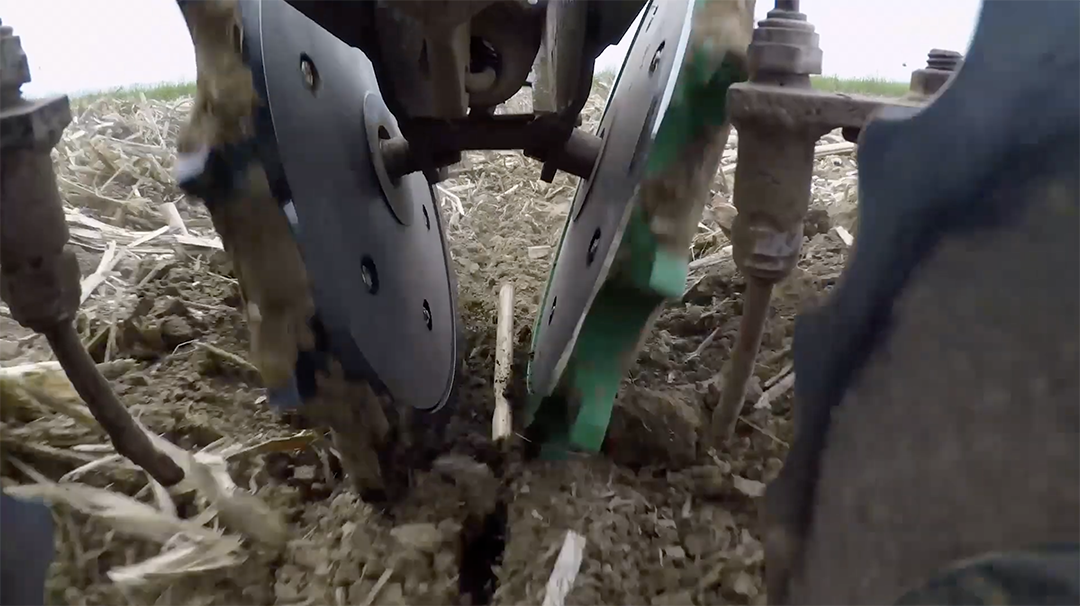
Wet soil does not break apart easily. Instead, it may smear along the trench wall. Rubber closing wheels can press the soil without breaking it and leave a smooth wall around the seed. When the soil dries, the trench may open again. Air can reach the seed and dry it out. Uneven closing leads to uneven plants across the row. Farmers often notice gaps in the stand during early growth. This is one reason many growers seek wet-soil planting solutions.
How Germinator Closing Wheel Technology Solves This Problem
New tools are helping farmers manage these field issues. Germinator Closing Wheel Iowa is designed to handle sticky and heavy soil better than simple rubber wheels. It works by shaping and cracking the soil rather than pressing it flat. This small change makes a big difference in seed health. The idea behind this Iowa approach to closing wheel technology is to protect the seed zone during brutal spring weather.
1. Breaks Sidewall Compaction
The wheel features a strong steel design from Farm Shop MFG. Its shape allows it to press and break the trench wall simultaneously. Instead of sealing the soil, it creates small cracks. These cracks help roots move outward. They also allow better air flow around the seed. Breaking sidewall compaction supports stronger early growth. This design reduces the pressure on the planter, helping protect soil structure.
2. Creates Proper Soil Fracture
When soil fractures naturally, it forms small crumbs around the seed. These crumbs hold moisture but still allow air to move. A proper fracture helps fully close the trench. It also prevents large air pockets. During the heavy soil planting seasons in Iowa, this can make planting more stable. Farmers often see more even soil cover across the row. It improves Iowa corn planter performance during short planting windows.
3. Improves Root Development
Healthy roots need soft soil with small spaces for air and water. When the trench is closed correctly, roots move down faster. Strong roots help plants handle dry weather later in summer. Early root strength supports better crop stands. Many growers report that Germinator closing wheel benefits include better early plant health and stronger stalk growth. Sound root systems also help soybean plants spread evenly across the field.
Why Iowa Farmers Trust Germinator Closing Wheel
Farmers in Des Moines and other rural areas talk about stand uniformity each spring. When plants emerge at the same time, yields are more stable. Germinator Closing Wheel Iowa has become part of many planter setups across the state. It is seen as a planter closing wheel upgrade in Iowa that focuses on soil health rather than just pressure.
1. Better Emergence
Emergence means how quickly and evenly plants come out of the soil. If one plant is late, it competes poorly with others: even spacing and timing matter for corn and soybeans. Field reports shared in No Till Farmer highlight how trench closure affects early growth. Farmers say that using better wheels can improve emergence in Iowa fields, especially during wet springs. When soil is sealed correctly, seeds stay protected.
2. More Consistent Stands
Consistent stands mean fewer gaps in the row. Gaps can reduce yield and waste seed cost. When soil closes properly, seeds stay at the proper depth. They also keep moisture around them during cold nights. In many areas along the Mississippi River Valley, soil can stay damp well into planting season. Farmers who switch tools often notice smoother rows across the field. This gives them more confidence during early crop checks.
Long-Term Benefits for Iowa Corn and Soybean Growers
Over time, good planting practices protect yield potential. Many growers believe that the better emergence results they see after switching to the Germinator Closing Wheel in Iowa corn fields show how small planter changes can create substantial returns. Both corn and soybeans respond well to uniform planting. Healthy stands also reduce the need for replanting, which saves time and fuel. In the long term, this can support stable income for farms across the Midwestern United States.
Spring weather may always be hard to predict. Yet farmers can control how they manage soil at planting time. Choosing tools that reduce compaction and improve trench closure can help crops get off to a strong start. Germinator Closing Wheel Iowa continues to gain trust because it supports root growth and stands for uniformity in harsh conditions.
Conclusion
Heavy spring soil is a serious challenge for Iowa growers. Wet ground can lead to compaction, poor trench closing, and weak emergence. Farmers need innovative solutions that protect seeds during planting. Germinator Closing WheelIowa offers a practical approach by breaking sidewalls, shaping soil, and supporting root growth. When seeds are placed in healthy soil, crops have a better start. Strong early growth leads to more stable stands and improved harvest results across Iowa fields.